Pa vs. AW vs. kPa: what robot vacuum suction ratings actually mean
Robot vacuum suction power in Pa keeps climbing, but what does it mean? I break down pascals, kPa and air watts, how each is tested, and how much suction you really need.
We choose products independently. We may earn a commission through links on this page; your price stays the same. Affiliate policy
On this page
The short answer
- Pa (pascals) measures pressure: how hard a robot pulls with the intake sealed. It says nothing about how much air is actually moving.
- kPa is the same unit with three fewer zeros. 25 kPa and 25,000 Pa are identical ratings.
- AW (air watts) combines suction and airflow, and it comes from the ASTM F558 test. Robot vacuum brands almost never publish it.
- For mostly hard floors, 5,000 to 10,000 Pa is plenty. Carpet and heavy shedding benefit from more, but the brush, floor seal and filter matter as much as the number.
Why I stopped trusting the number on the box
Not that long ago, a robot vacuum rated at 2,000 Pa was considered strong. Today I regularly see spec sheets promising 25,000, 30,000 and even 36,000 Pa, and that jump happened in just a few product generations.
Numbers like that look great on a box. They also make it surprisingly hard to know what you are actually buying.
When I dug into what these ratings mean, I kept running into three units: Pa, kPa and AW. They get used as if they were interchangeable, and they are not.
One measures pressure. One is the same pressure with three fewer zeros. The third measures the real work done by moving air, and it almost never shows up on a robot vacuum listing.
In this guide, I will walk you through what each unit means, how it is tested, what the robots I cover actually claim, and how much suction your floors really need.
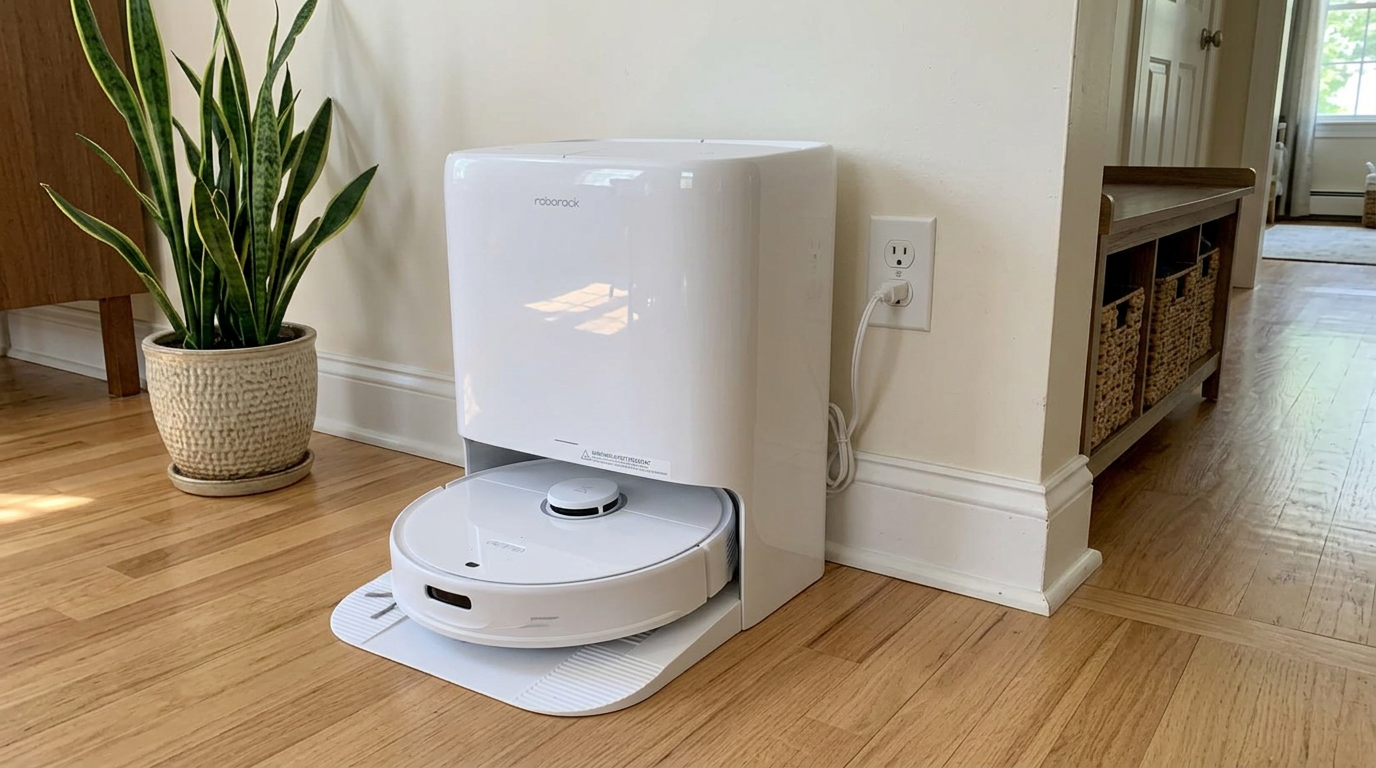
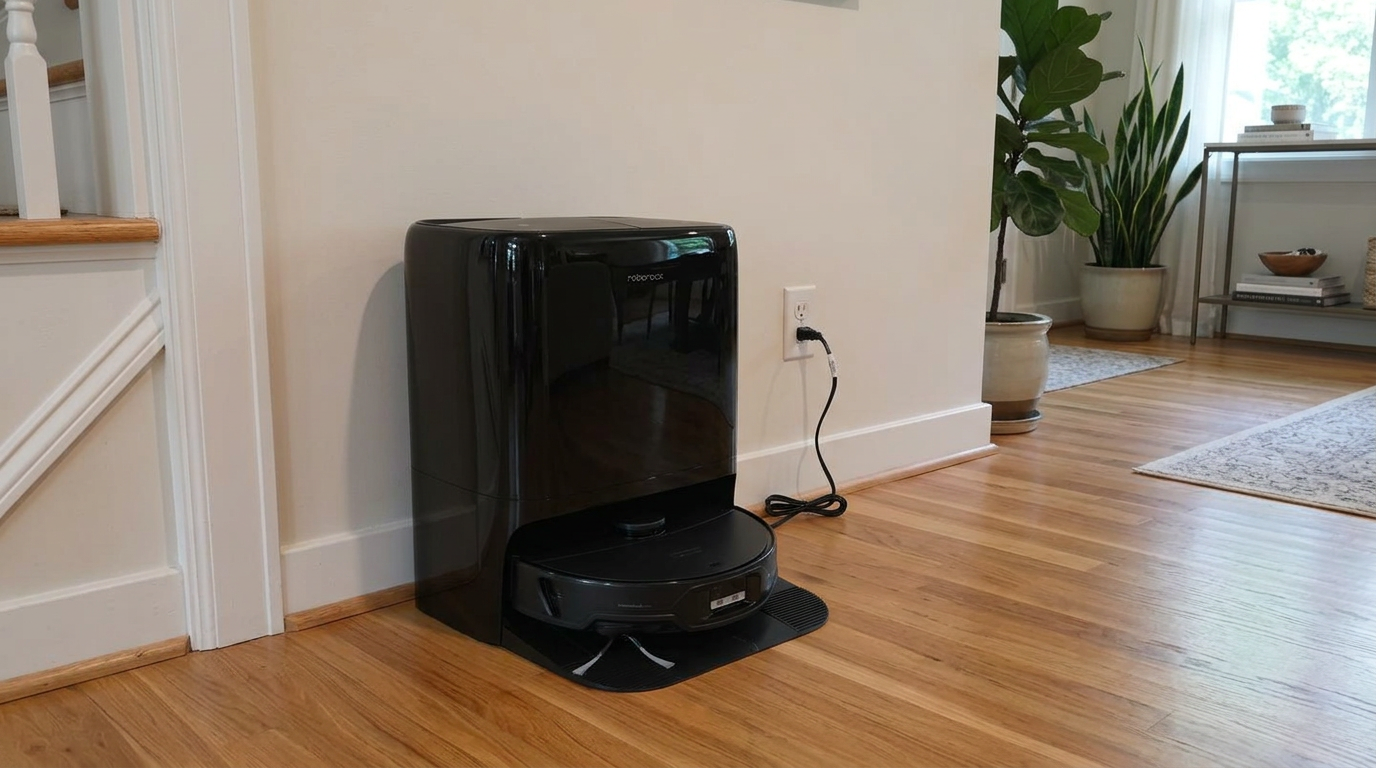
Roborock rates the Qrevo Edge 3 Pro at 36,000 Pa, the highest figure among the robots in this guide. Read my Qrevo Edge 3 Pro review →
Pa: what a pascal actually measures
A pascal is the standard scientific unit of pressure. It is defined as one newton of force spread over one square meter, and the name was officially adopted in 1971 (source).
In everyday terms, one pascal is tiny. Picture the weight of a small apple spread evenly across about 11 square feet of floor.
For context, normal air pressure at sea level is 101,325 Pa, or about 14.7 pounds per square inch (Britannica).
When a robot vacuum brand quotes a Pa figure, it is describing how far below room pressure the fan can drag the air inside the robot. The bigger that pressure difference, the harder the robot can pull on dust, sand and hair.
Here is the catch. That figure is usually a sealed or nearly sealed reading, taken with the intake blocked so that almost no air is moving.
Think of sucking on a drinking straw while you cover the end with your finger. You feel a strong pull, but nothing is flowing through the straw.
Real cleaning needs both pull and flow. A robot that creates a big pressure drop but moves very little air will still struggle to carry debris from the brush into the bin.
There is a second catch, too. There is no single public test that every brand uses to arrive at the Pa number on the box, and most brands quote the strongest power mode under ideal conditions.
That does not make the number useless. It just means a Pa rating is a ceiling, not a promise.
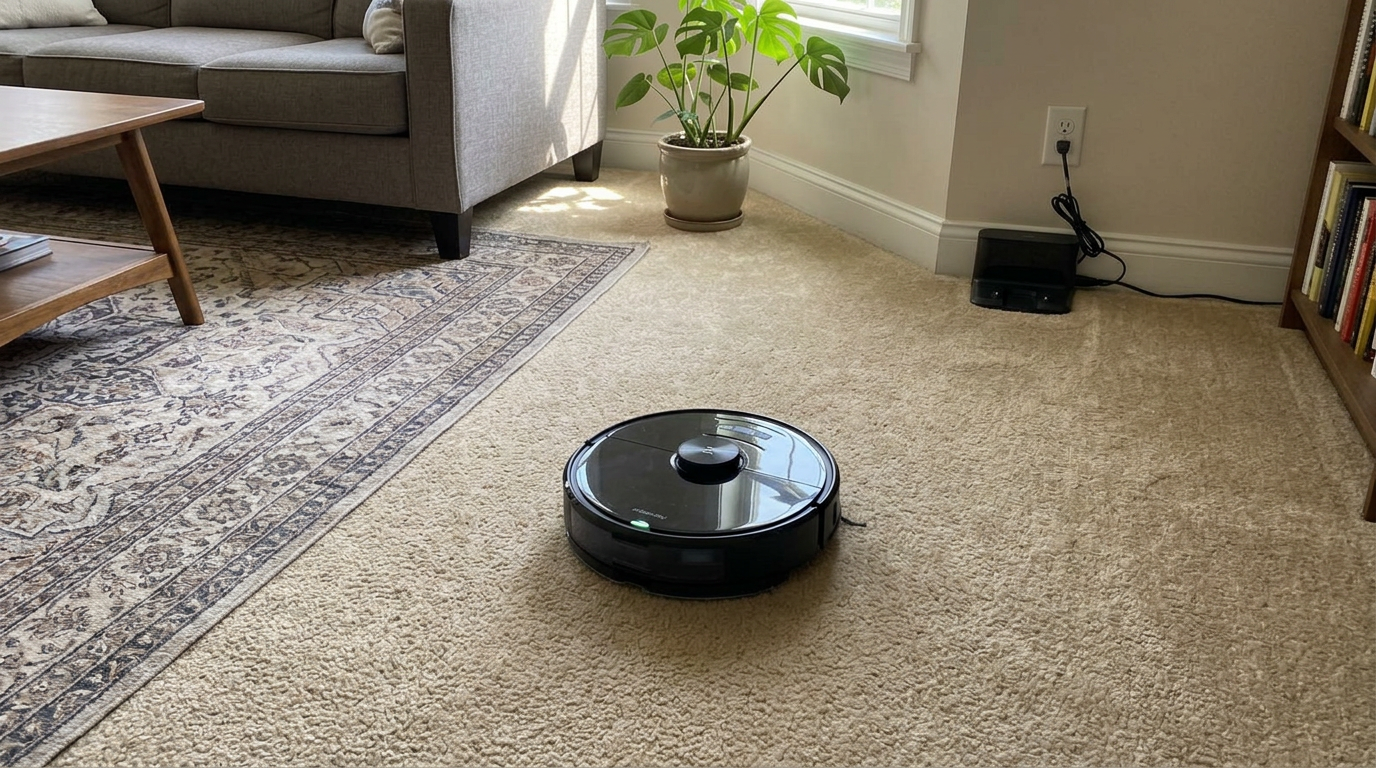
The budget Roborock Q7 M5+ is rated at 10,000 Pa (Roborock), which is plenty for mostly hard floors. Read my Q7 M5+ review →
kPa: the same thing with fewer zeros
kPa stands for kilopascal, which is simply 1,000 pascals. A listing that says 25 kPa and one that says 25,000 Pa are describing exactly the same rating.
You will mostly see kPa on cordless stick vacuums, handhelds and wet-dry vacs. It also pops up on marketplace listings, where a shorter number fits more neatly in the product title.
Robot vacuum brands overwhelmingly prefer plain Pa. I suspect marketing plays a part, since 36,000 simply looks more impressive than 36.
Whenever I compare two products, I convert everything to one unit first. Just move the decimal three places: 18.5 kPa is 18,500 Pa, and 7,000 Pa is 7 kPa.
One more trap to watch for. A motor rating in watts (W) is not suction at all; it tells you how much electrical power the motor draws, not how hard it pulls.
AW: air watts, and why robots rarely list them
Air watts are a different animal. Instead of measuring pressure alone, they measure the power carried by moving air, which folds suction and airflow into a single number.
The method comes from ASTM F558, the American test standard for measuring the air performance of vacuum cleaners (ASTM F558-21). It covers uprights, canisters, sticks, handhelds and utility vacuums that have a hose attachment.
The common formula is simple: airflow in cubic feet per minute (CFM) times water lift in inches, divided by 8.5 (source). The ASTM version uses a decimal multiplier instead, and the difference between the two is less than a quarter of a percent.
This is where it gets interesting. In a fully sealed test, airflow is zero, so air watts are zero too, no matter how big the pressure reading is.
Air watts peak somewhere in the middle, when the vacuum is moving a decent amount of air against a decent amount of resistance. That is much closer to what happens when a brush roll is working through a rug.
To make that concrete, here is some illustrative math. A robot holding 20 inches of water lift (about 5,000 Pa) while moving 12 CFM would produce roughly 28 air watts.
Even ASTM is careful about what its test shows. The standard describes its nozzle-on-test-chamber setup as an ideal measurement that is not meant to represent air performance during actual carpet or floor cleaning.
So why don’t robot vacuums list air watts? My best guess is a mix of two things: the test was built around vacuums with a hose, and a robot’s small fan produces air-watt figures that look modest next to a corded upright.
Pa numbers, on the other hand, are big. They climb fast with every motor generation, and they look fantastic printed next to a photo of a shaggy rug.
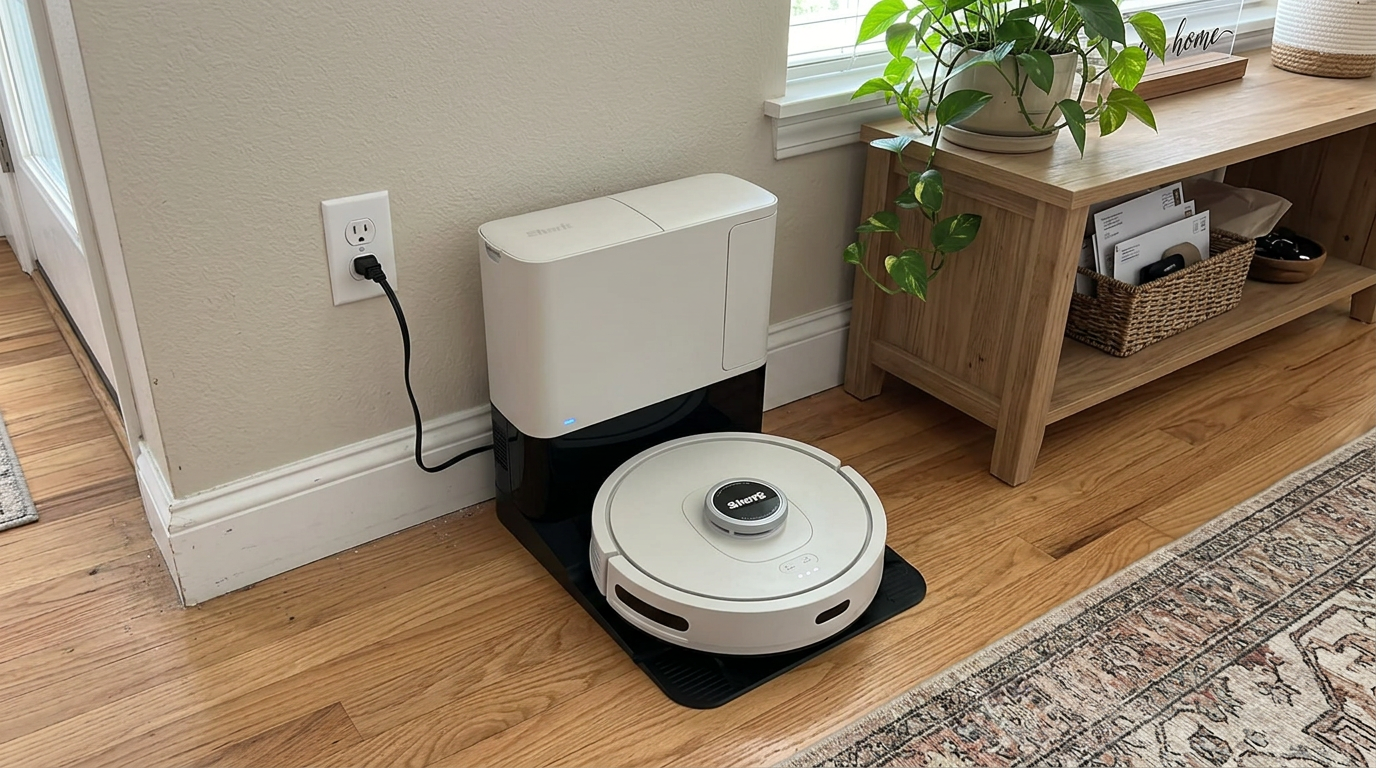
Shark describes suction on the AV2501S AI Ultra in general terms on its product page rather than with a Pa figure, so I judge it on pickup, not specs. Read my Shark AI Ultra review →
Pa vs. kPa vs. AW at a glance
Here is how the units you will run into on vacuum listings compare. I have added water lift, CFM and motor watts, because they show up often enough to cause confusion.
| Unit | What it measures | Where you’ll see it | Includes airflow? |
|---|---|---|---|
| Pa | Pressure difference, or how hard it pulls | Robot vacuums | No |
| kPa | Same as Pa, divided by 1,000 | Stick, handheld and wet-dry vacs | No |
| AW | Power of the moving air (suction × airflow) | Uprights, canisters, some cordless sticks | Yes |
| Water lift (in.) | Sealed suction as a column of water | Shop vacs, central vacs | No |
| CFM | Volume of air moved per minute | Shop vacs, uprights | Airflow only |
| W (motor) | Electrical power drawn by the motor | Corded vacuums, some listings | No |
The short version: Pa and kPa tell you how hard a vacuum can pull. AW tells you how much useful work that pull does once air is actually moving.
There is no reliable way to convert Pa straight into AW. You would need the airflow figure as well, and robot vacuum brands almost never publish it.
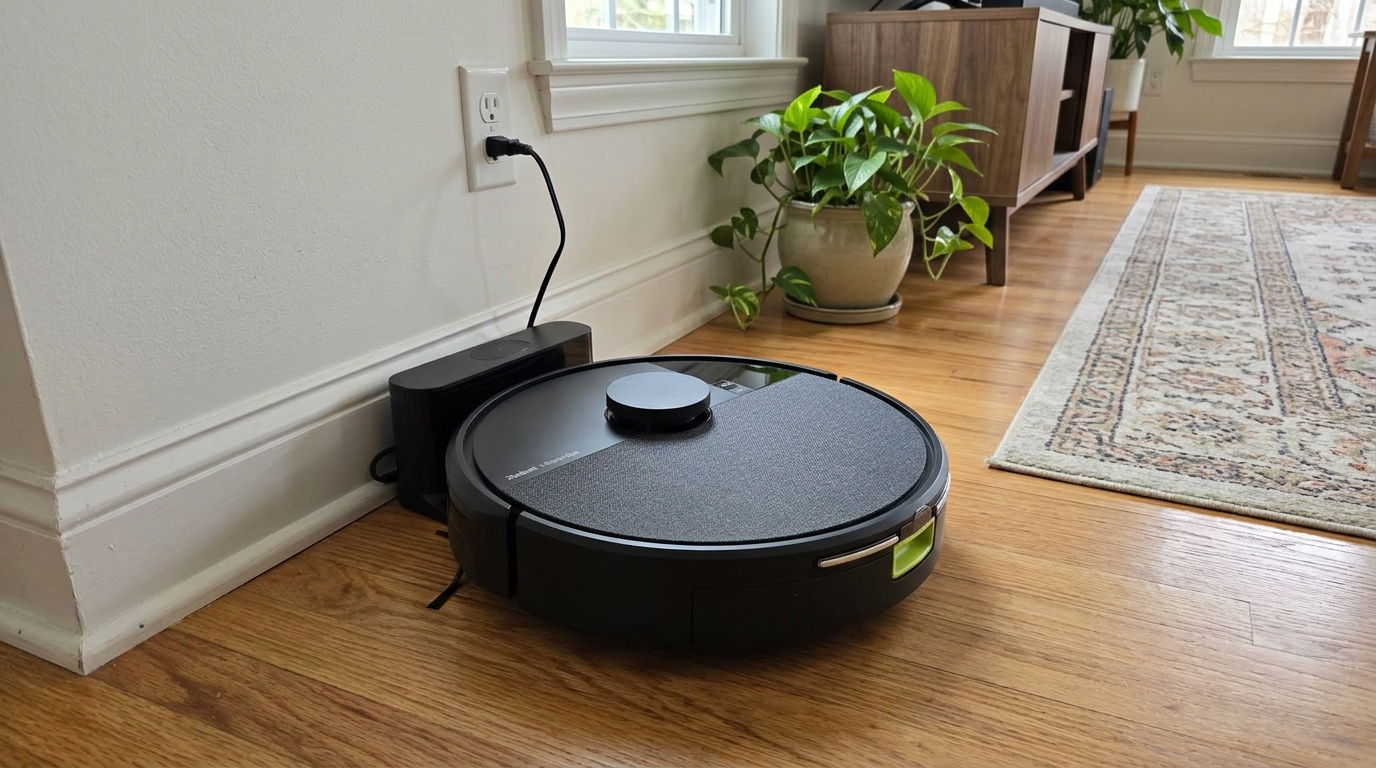
iRobot rates the Roomba 105 Combo at 7,000 Pa (iRobot answer on Best Buy), the lowest rating in this guide. Read my Roomba 105 Combo review →
What today’s robots claim, translated
To make these numbers easier to picture, I took the manufacturer ratings for five robots I cover and converted them into units most of us can relate to.
The ratings come from iRobot, Roborock, Dreame and Ecovacs. The conversions are my own math, rounded.
| Robot | Rated suction | kPa | Water lift | PSI | Share of sea-level air pressure |
|---|---|---|---|---|---|
| iRobot Roomba 105 Combo | 7,000 Pa | 7 | ~28 in. | ~1.0 | ~7% |
| Roborock Q7 M5+ | 10,000 Pa | 10 | ~40 in. | ~1.5 | ~10% |
| Dreame L40 Ultra Gen 2 | 25,000 Pa | 25 | ~100 in. | ~3.6 | ~25% |
| Ecovacs Deebot T90 Pro Omni | 30,000 Pa | 30 | ~120 in. | ~4.4 | ~30% |
| Roborock Qrevo Edge 3 Pro | 36,000 Pa | 36 | ~145 in. | ~5.2 | ~36% |
Two things jump out at me. First, even the strongest rating here is only about a third of normal air pressure.
That is a hard physical ceiling. No vacuum can pull more than 101,325 Pa below room pressure, because that would be a perfect vacuum with no air left at all.
Second, going from 7,000 Pa to 36,000 Pa is a fivefold jump on paper. In my experience, it does not translate into floors that are five times cleaner.
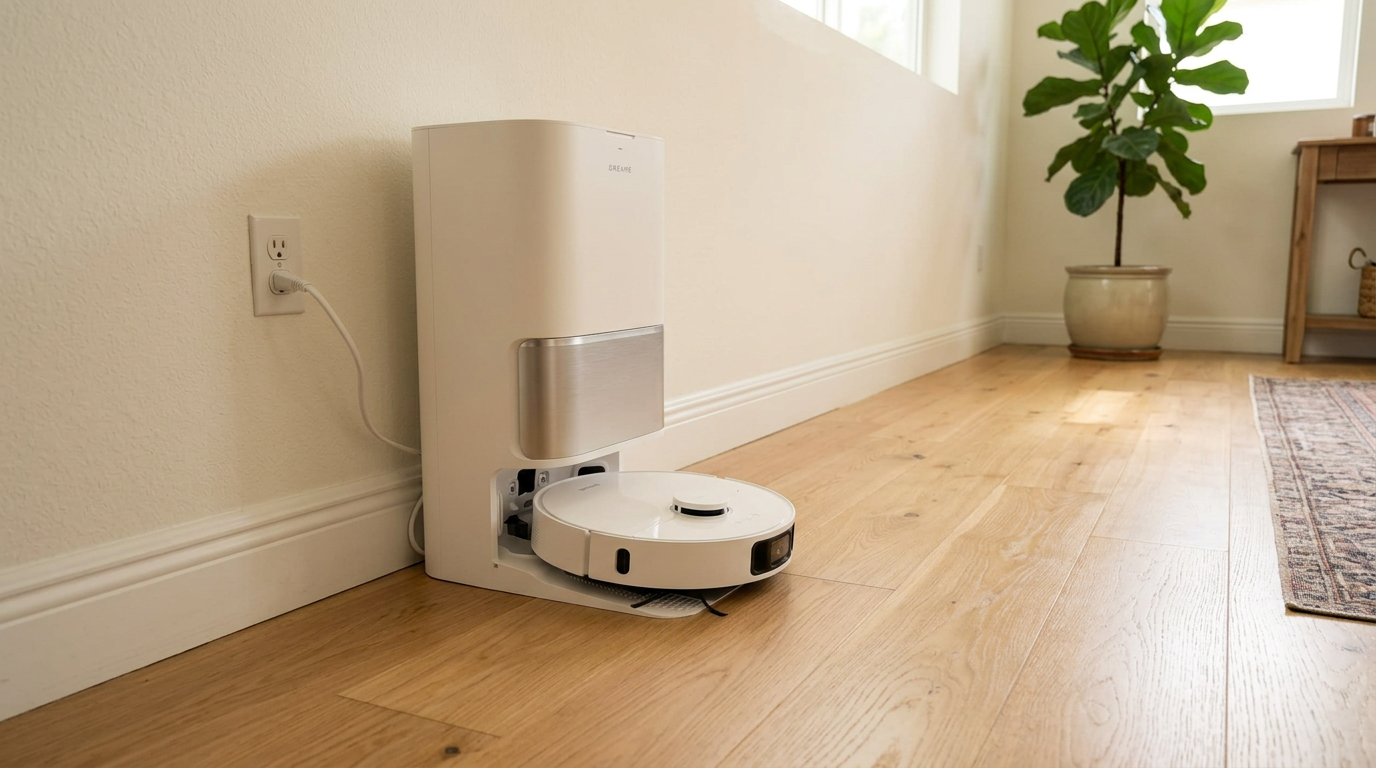
Dreame rates the L40 Ultra Gen 2 at 25,000 Pa and pairs it with an anti-tangle brush, which matters just as much as the number. Read my Dreame L40 Ultra Gen 2 review →
Why two robots with the same Pa clean differently
If Pa told the whole story, picking a robot would be easy. In reality, the rating only describes one link in a chain that runs from your floor all the way to the dustbin.
These are the factors I pay the most attention to:
Brush design. The main brush has to loosen debris before suction can carry it away. A rubber or split roller that lifts carpet pile does a lot of the heavy lifting, especially with hair.
The seal at the floor. Suction depends on how tightly the intake sits against the surface. A robot riding high over a thick rug leaks air around its edges, and the pressure at the carpet drops.
The air path and filter. Air has to pass through the bin and the filter on its way out. A dense filter traps finer dust but adds resistance, while a loose one flatters the suction number and lets more dust escape.
Bin and filter condition. As the bin fills and the filter clogs, airflow drops. A robot that starts a run at full strength can be working noticeably harder by the end of a big room, which is one reason self-emptying docks help.
Power mode. The quoted Pa almost always refers to the top setting. Most people run their robot in a quieter standard mode, and many models only jump to full power when they detect carpet.
Battery. Max suction drains the battery fast. A robot that runs at full power across a whole house may need to dock and recharge before it finishes.
The international test standard for cleaning robots reflects all of this. IEC/ASTM 62885-7 measures things like debris pickup in straight-line tests on carpet and hard floors, along with mobility and energy use, instead of raw suction (IEC/ASTM 62885-7).
It replaced the older IEC 62929 in 2020. The amended version even notes that its cleaning results should only be compared with other robots, not with vacuums you push around yourself (source).
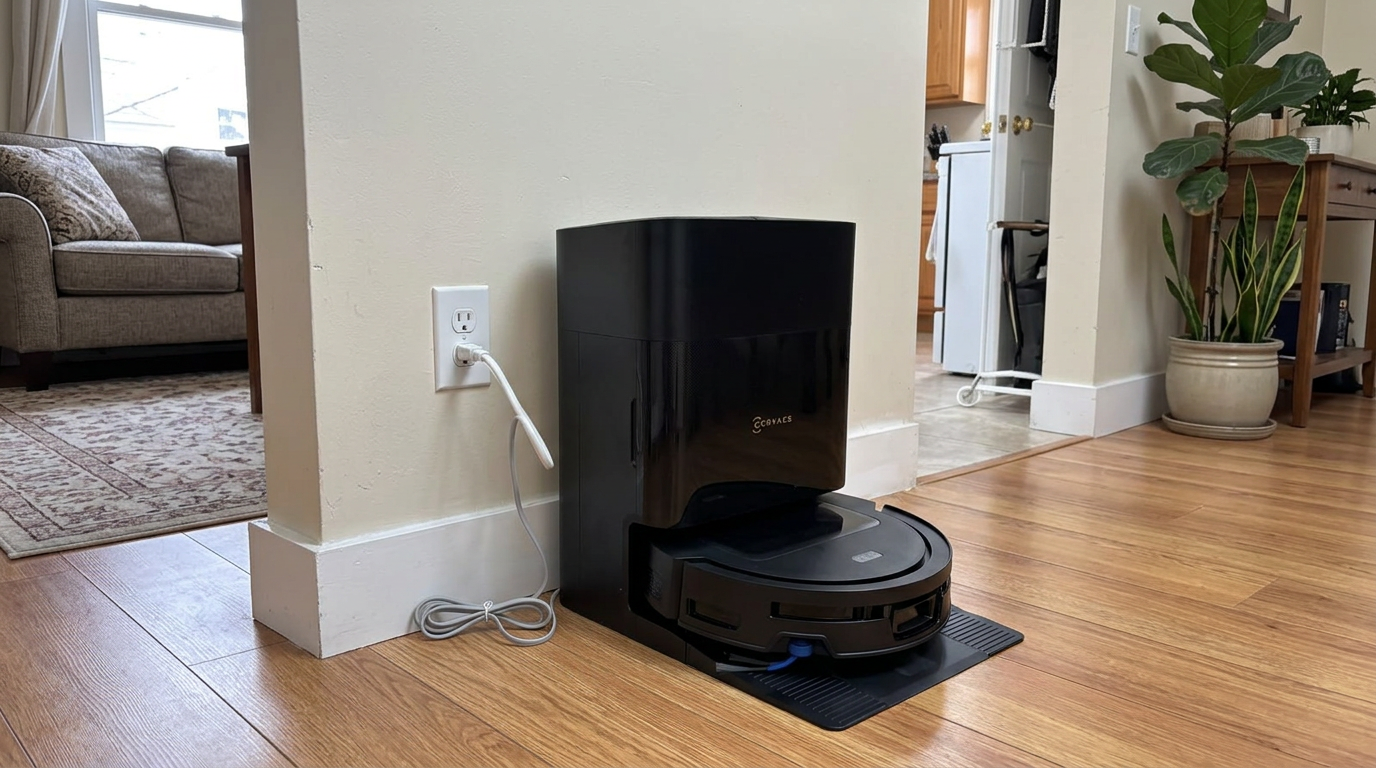
Ecovacs rates the Deebot T90 Pro Omni at 30,000 Pa, but I care just as much about how its brush and roller mop deal with hair. Read my Deebot T90 Pro Omni review →
How much suction do you actually need?
Now for the practical part. These are the ranges I use when friends and family ask me which robot to buy, based on the floors in their home.
| Your home | Suction I’d look for | Why |
|---|---|---|
| Mostly hard floors (wood, tile, vinyl) | 4,000 to 8,000 Pa | Debris sits on top, so brushes and edge cleaning matter more |
| Hard floors with a few low-pile rugs | 8,000 to 12,000 Pa | Gives you headroom when carpet boost kicks in |
| Wall-to-wall or medium-pile carpet | 15,000 Pa and up | Helps pull grit from deeper in the fibers |
| Pets that shed a lot | 10,000 Pa and up, plus an anti-tangle brush | Hair wraps cause more trouble than weak suction |
Above roughly 10,000 Pa, I find the returns shrink quickly on hard floors. Moving from 25,000 to 36,000 Pa may help on a deep rug, but on a kitchen floor you are mostly paying for extra noise and battery drain.
If your budget is tight, I would rather see you buy a robot with a lower rating plus a good anti-tangle brush, lidar navigation and a self-emptying dock than a robot that only has a huge number going for it.
And if you mainly want to keep crumbs and dust under control between deeper cleans, even an entry-level rating will do the job, as long as the robot actually covers the whole floor.
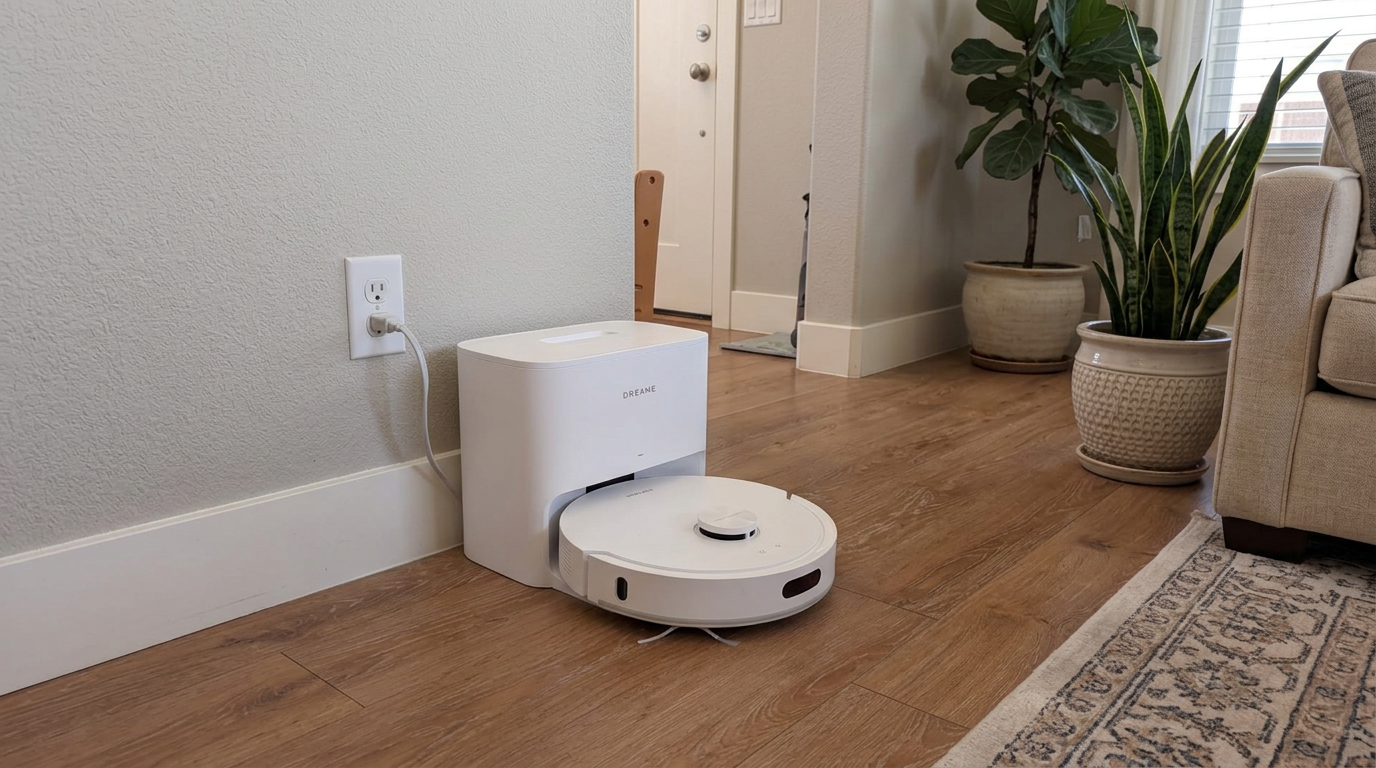
The Dreame D20 Air Plus is a good reminder that a simple self-emptying robot can be the smart buy for mostly hard floors. Read my Dreame D20 Air Plus review →
How I read a suction spec now
- Convert everything to one unitMove the decimal three places so every listing reads in Pa. 18.5 kPa becomes 18,500 Pa. If a listing only gives air watts, I don't try to convert it, because there's no honest way to do that without airflow data.
- Check which mode the number belongs toThe headline figure almost always comes from the strongest setting, often called Max or Turbo. Day to day, most robots run in a quieter standard mode with a fraction of that pull.
- Look for carpet boostA robot that raises suction automatically on rugs gives you strong cleaning where it counts without burning battery on hard floors. I consider this more useful than a few thousand extra pascals.
- Look at the brush, not just the motorRubber, split or anti-tangle rollers do a lot of the work, especially with long hair and pet fur. A strong motor behind a brush that wraps with hair will lose suction fast.
- Ignore small gaps between brandsA 22,000 Pa robot from one brand and a 25,000 Pa robot from another are not meaningfully different on paper, since each brand tests in its own way. I only treat big gaps, like 7,000 vs. 25,000 Pa, as a real signal.
- Treat relative claims as relativeiRobot, for example, says the Roomba 105 Combo has 70 times the suction of its older 600 series. That's a fair comparison inside one brand, but it doesn't tell you how it stacks up against anything else.
Frequently asked questions
What does Pa mean on a robot vacuum?
Is 10,000 Pa good for a robot vacuum?
Can I convert Pa to air watts?
Is 25 kPa the same as 25,000 Pa?
Is a higher Pa rating always better?
Why don't robot vacuums list air watts?

Sarah has tested vacuums, mops, air purifiers and dehumidifiers since 2017. Before joining BrasQ, she spent five years as a test coordinator at a national consumer advocacy group. She studied industrial design at Ohio State and lives in Columbus with her family and a long-haired cat.
- First published.
- ASTM F558: Standard test method for measuring air performance characteristics of vacuum cleaners
- IEC/ASTM 62885-7: Dry-cleaning robots for household use, methods for measuring performance
- Manufacturer spec pages for Roborock, Dreame, Ecovacs, iRobot and Shark
- BrasQ robot vacuum reviews and comparisons, 2026