The Best Roborock for Hardwood Floors in 2026
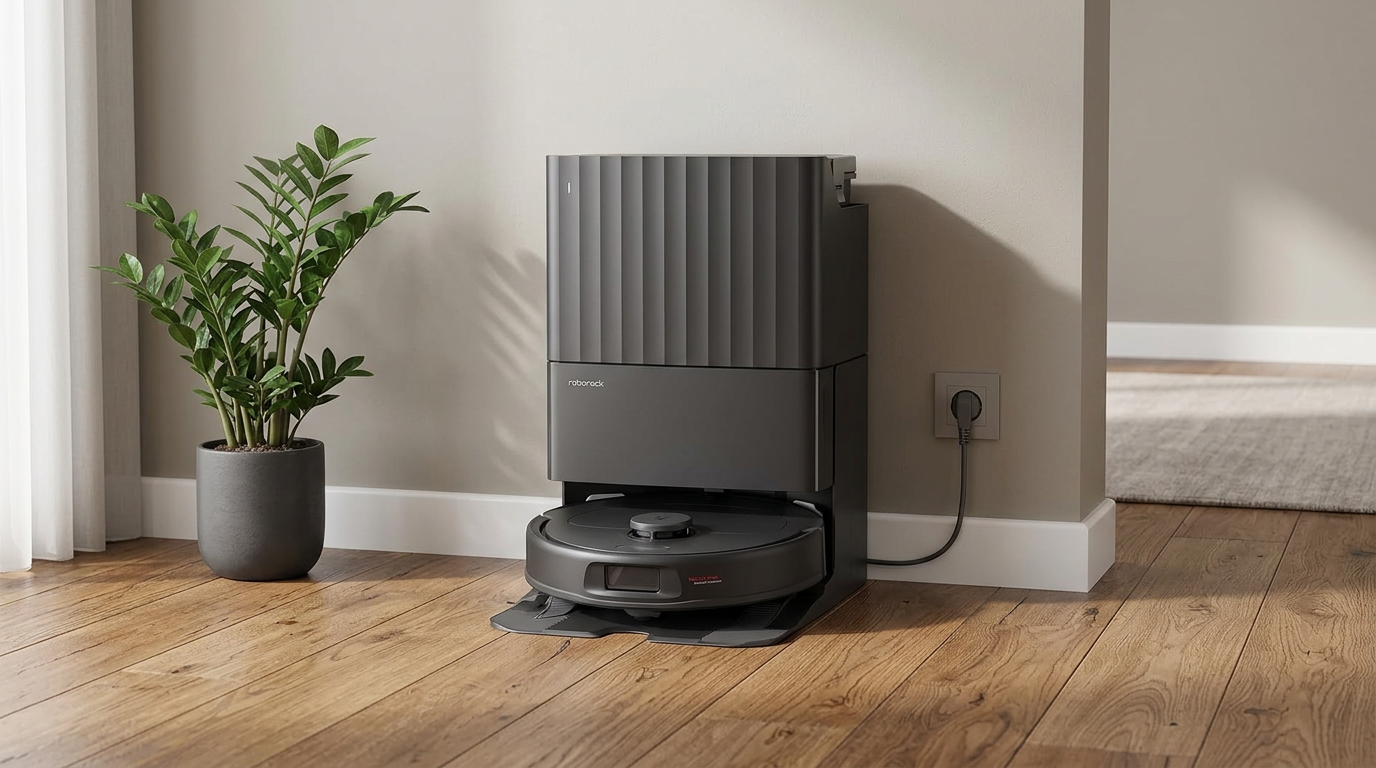
I compared five current Roborock robot vacuums on the things that matter most on wood: how much water the mop leaves behind, whether the mop lifts off rugs, how gently the brushes treat the finish, and how well each one handles hair and corners. The Roborock Saros 10R came out on top for most hardwood homes, and the Qrevo S Pro is the best value if mopping is your priority.
We choose products independently. We may earn a commission through links on this page; your price stays the same. Affiliate policy
In this guide
The short answer
- Best Roborock for most hardwood homes: the Roborock Saros 10R. It had the best obstacle avoidance and zero hair tangling in independent lab tests, and its slim body fits under low sofas and beds.
- Best value for mopping wood floors: the Roborock Qrevo S Pro. It posted the strongest stain scores in this group, and its dock washes the pads in hot water and dries them with warm air.
- Best for edges and baseboards: the Roborock Qrevo 2 Pro. An extending mop arm reaches along the baseboards, and the pads lift 0.6 inches over rugs.
- Best budget pick for hardwood: the Roborock Q10 S5+. It left the least water behind of any model here and lifts its mop over carpet, at a much lower price.
- Cheapest way into Roborock: the Roborock Q7 M5+. A strong vacuum with LiDAR and an auto-empty dock, but its mop runs wet and doesn't lift, so I'd use it mostly as a vacuum on wood.
Our picks at a glance
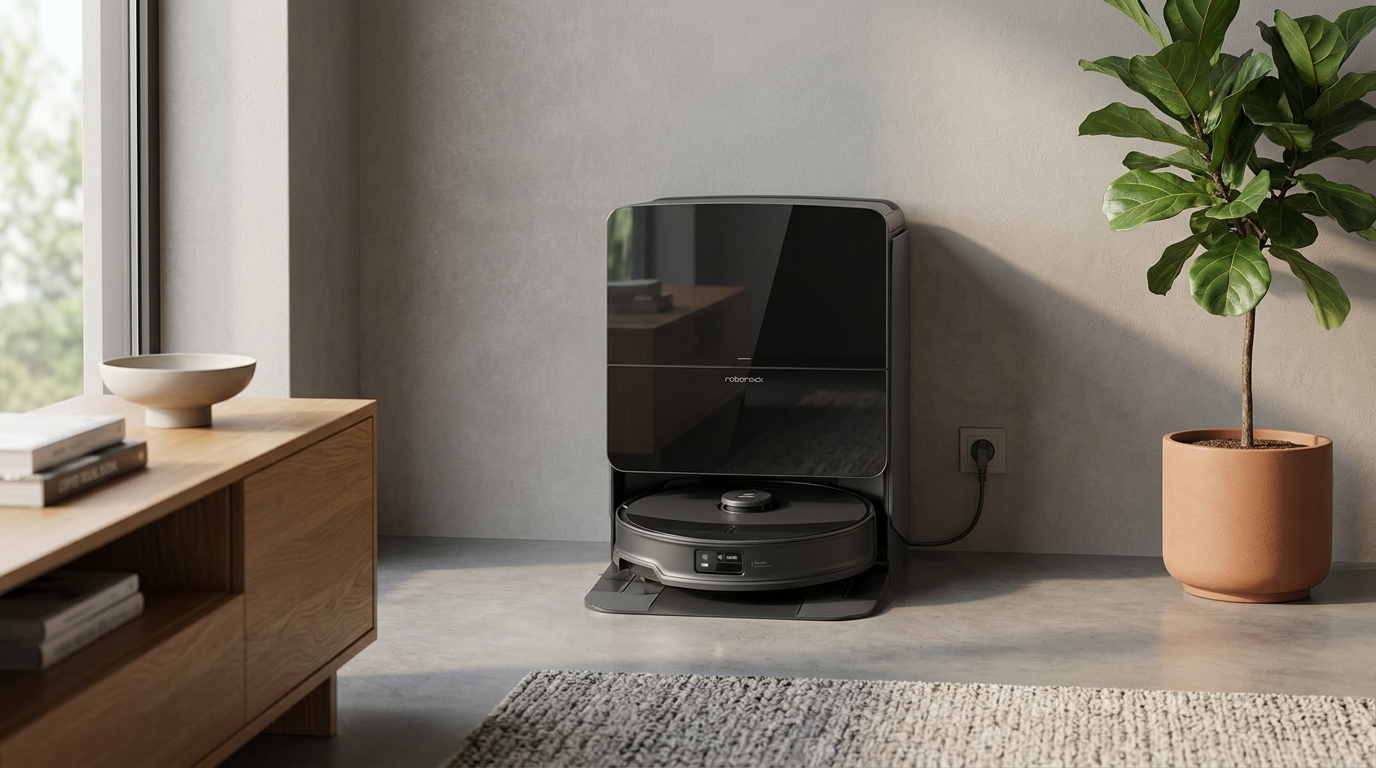
Roborock Saros 10R Robot Vacuum
A slim, flagship vacuum and mop with camera-based obstacle avoidance, a zero-tangle dual roller and a dock that washes and dries the pads. The best all-rounder for wood floors.
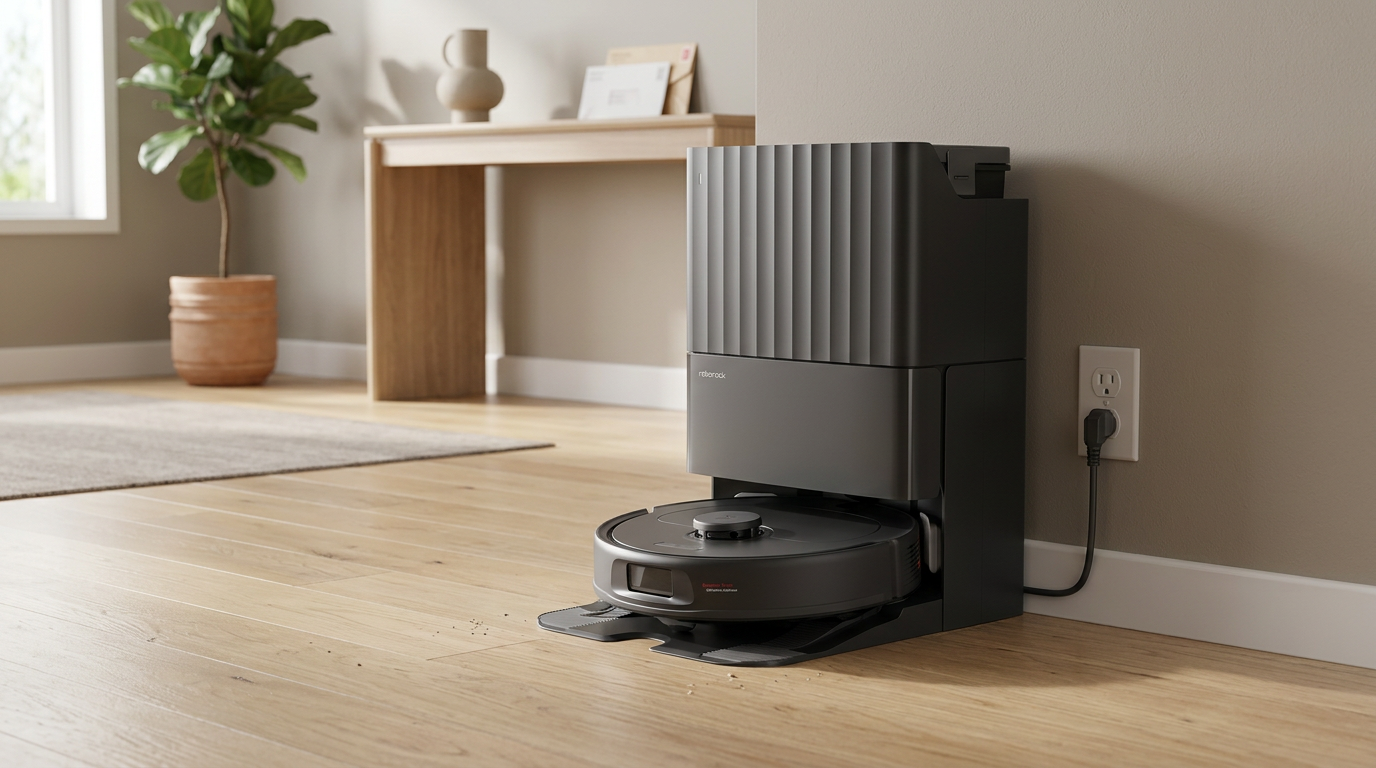
Roborock Qrevo S Pro Robot Vacuum
Two spinning pads, a 0.4-inch mop lift and a dock with 167°F pad washing. Excellent on stains, weaker with pet hair and clutter.
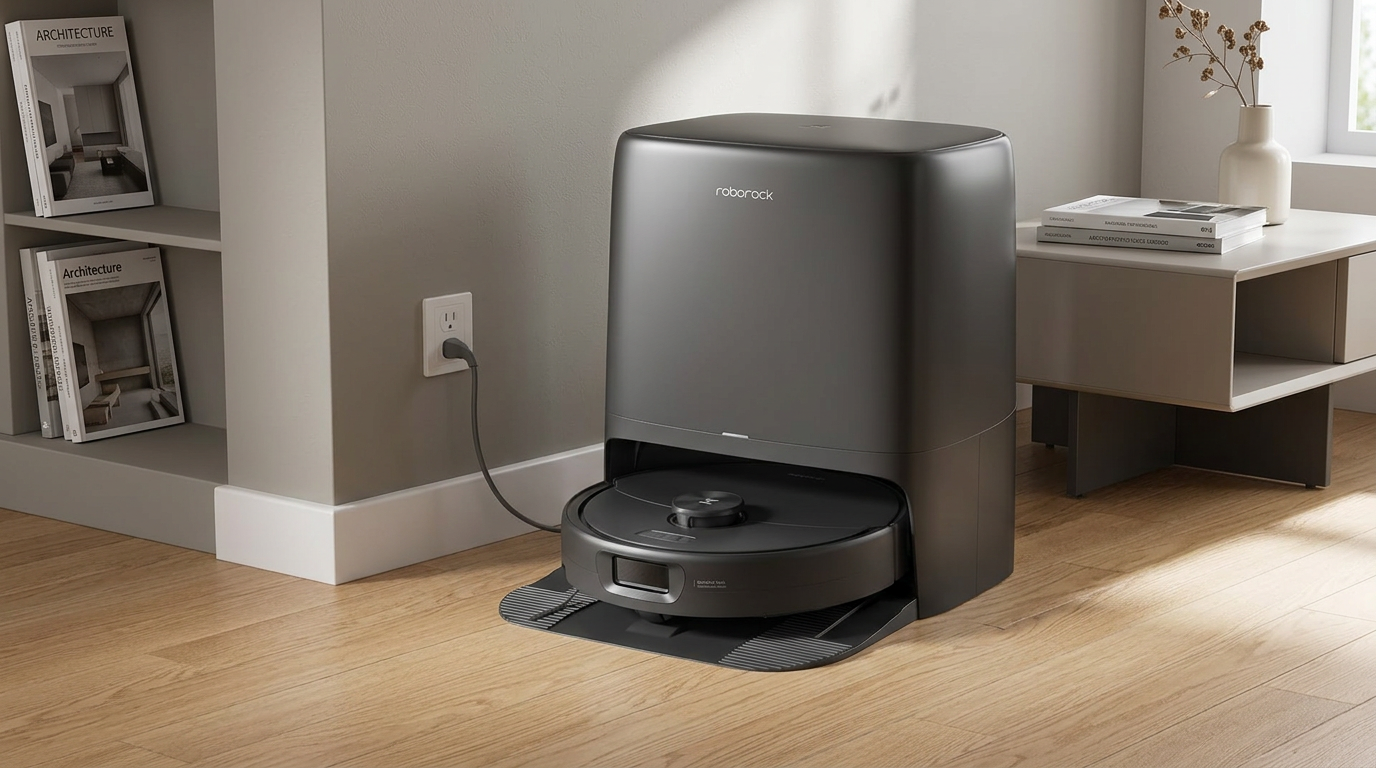
Roborock Qrevo 2 Pro Robot Vacuum
25,000 Pa of suction, an extending FlexiArm mop for baseboards and a 0.6-inch mop lift. A strong mid-range choice for open-concept wood floors.
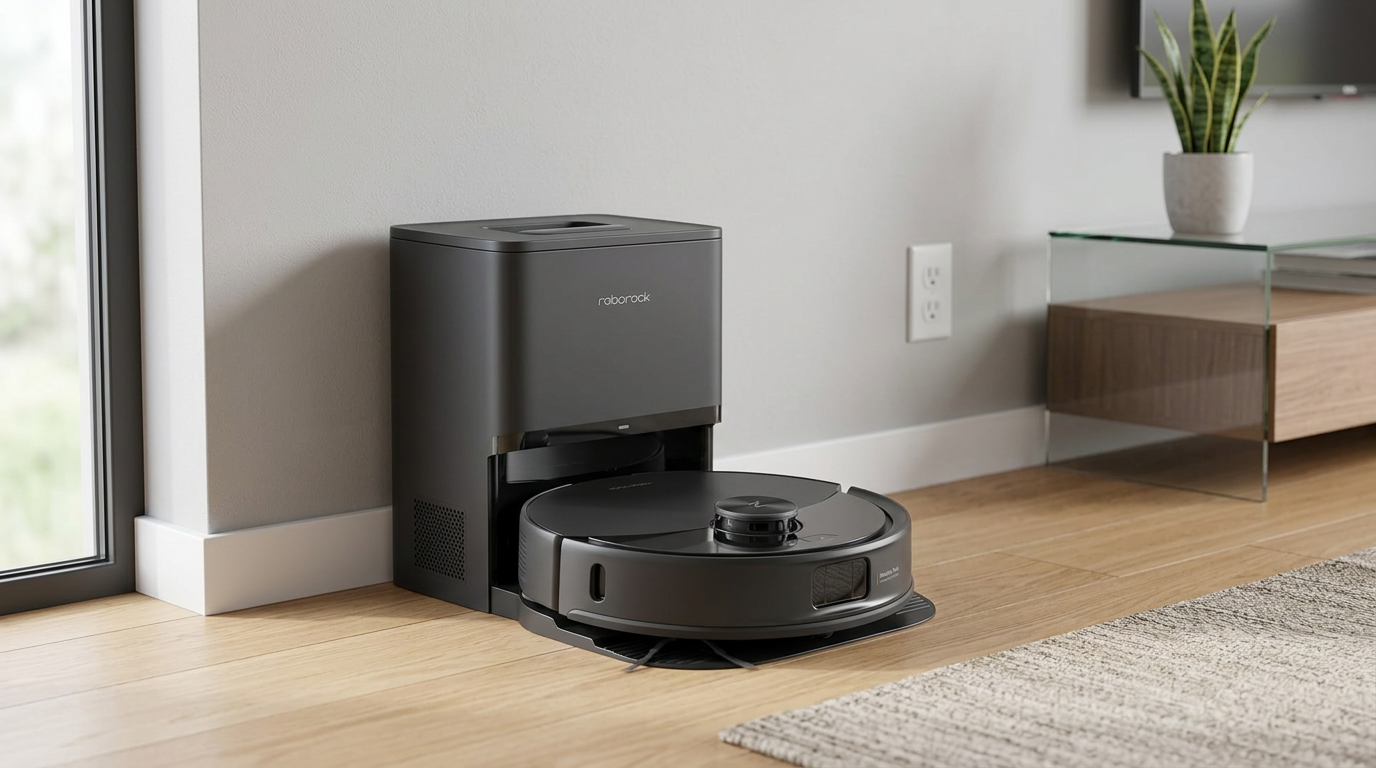
Roborock Q10 S5+ Robot Vacuum
A vibrating mop pad that lifts over rugs and leaves very little water behind. The dock empties the bin but doesn’t wash the pad.
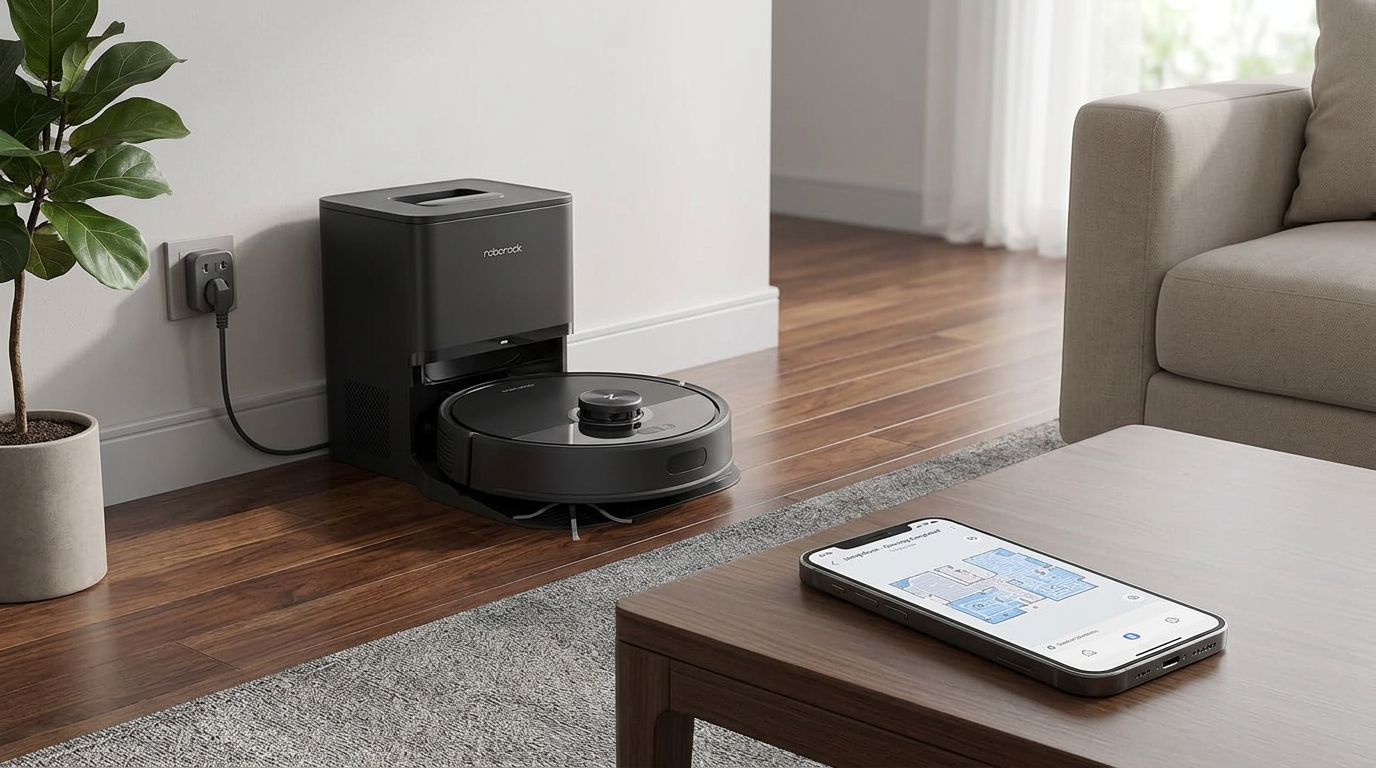
Roborock Q7 M5+ Robot Vacuum
LiDAR mapping, 10,000 Pa suction and an auto-empty dock for very little money. The fixed, fairly wet mop is its weak point on wood.
Prices change often. Click through to see the current price on Amazon.
Compare our picks side by side
Specifications come from Roborock and retailer listings. Lab figures are from Vacuum Wars, which runs the same standardized tests on every robot it reviews.
"Not listed" means I could not find the figure in official or lab sources.
| 5 models compared | Our pick | Mopping value | Edges | Budget | Cheapest |
|---|---|---|---|---|---|
| Mopping on hard floors | |||||
| Mop system | Two spinning pads, one extends | Two spinning pads | Two spinning pads, FlexiArm extends | Vibrating pad (VibraRise 2.0) | Fixed flat pad |
| Mop lifts over rugs | 0.3 in | 0.4 in | 0.6 in | 0.3 in | ✕ |
| Water left behind (lab, lower is better) | 0.21 tsp | 0.23 tsp | Not listed | 0.1 tsp | 0.4 tsp |
| Dock washes mop pads | ✓ | ✓ 167°F water | ✓ 167°F water | ✕ | ✕ |
| Dock dries mop pads | ✓ | ✓ 113°F air | ✓ 113°F air | ✕ | ✕ |
| Vacuuming | |||||
| Listed suction | 22,000 Pa | 18,500 Pa | 25,000 Pa | 10,000 Pa | 10,000 Pa |
| Main brush | DuoDivide dual roller | Single rubber roller | DuoDivide dual roller | Brush with anti-wrap comb | Bristle roller with comb |
| 7-inch hair tangle (lab, lower is better) | 0% | 62% | Not listed | 0% | 43% |
| Auto-empty dock | ✓ | ✓ | ✓ | ✓ | ✓ |
| Navigation and size | |||||
| Navigation | StarSight solid-state LiDAR | Top LiDAR | Top LiDAR | Top LiDAR | Top LiDAR |
| Obstacle avoidance | Camera + AI | Structured light | Structured light | Structured light | None at the front |
| Obstacles avoided (lab, of 24) | 24 | 5 | Not listed | 6 | Not listed |
| Robot height | About 3.1 in | Not listed | 3.8 in | Not listed | 3.9 in |
| Dustbin | 9.1 fl oz | 11.2 fl oz | Not listed | 11.8 fl oz | Not listed |
| Best for | Hardwood homes with pets, clutter or low furniture. | Mostly hard floors, few obstacles, light shedding. | Open-concept wood floors and long baseboards. | Budget buyers who want a safe, dry mop. | Small homes that mainly need vacuuming. |
Quick tip: On hardwood, read the mopping rows first. Water left behind and mop lift tell you far more about how a robot will treat your floor than the suction number does.
How I researched this guide
Hardwood changes what “best” means for a robot vacuum. Raw suction matters less than how much water the mop puts down, whether it lifts over rugs, and how often the brush gets wrapped in hair.
So I started with the five Roborock models that are easiest to buy in the US right now, from the budget Q7 M5+ to the flagship Saros 10R. I collected the full specifications from Roborock and retailer listings.
For performance, I leaned on independent lab results, mainly from Vacuum Wars, which runs identical stain, water, hair-tangle and obstacle tests on every robot. I cross-checked those with reviews from RTINGS, TechRadar, ZDNET, SlashGear and Basic Tutorials.
I also read through owner reports on Reddit and Amazon to see what goes wrong after a few months, such as connectivity drops, charging faults and rug tangles.
Where I quote a number from a lab, I say so. Where a figure isn’t published, the table says “Not listed” rather than guessing. I haven’t run my own controlled tests on these five yet, so I don’t give them a test score.
Who is a Roborock for hardwood floors for?
Hardwood shows everything. Dust, crumbs, paw prints and pet hair sit right on the surface, and a quick daily pass keeps the floor looking clean far better than a weekly deep clean.
That makes wood floors a good match for a robot vacuum. It runs while you’re out, and you come home to a floor that has already been swept and lightly mopped.
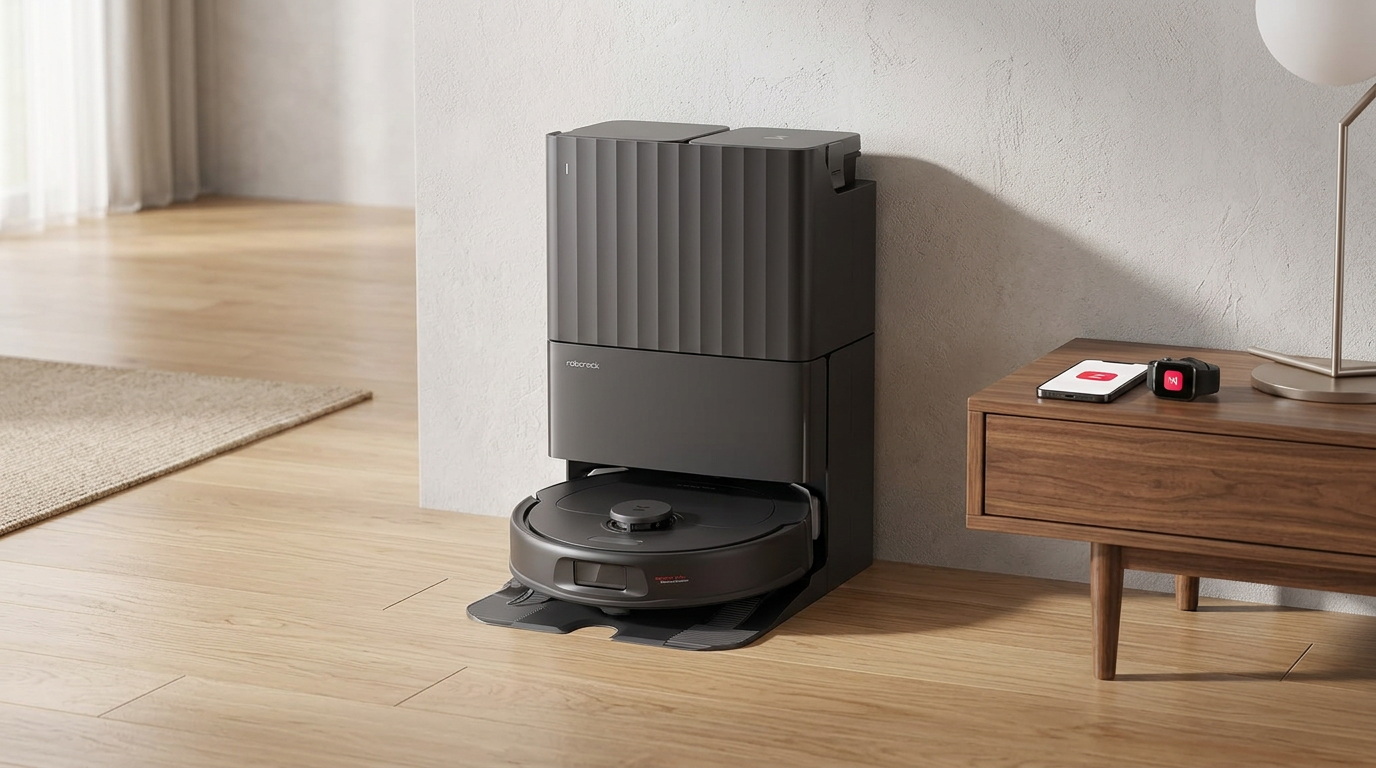
Roborock is a sensible place to start. Its LiDAR mapping is reliable, its app is one of the better ones, and most models now lift their mop pads over rugs.
The catch is that Roborock’s range is wide and the names are confusing. A Q7, a Q10, a Qrevo and a Saros behave very differently on a wood floor, especially when the mop is on.
This guide is for anyone with mostly hardwood, engineered wood or laminate who wants a robot that vacuums well and mops without soaking the boards. If your home is mostly carpet, the priorities change, and suction and brush design matter more than the mop.
Our picks in depth
Roborock Saros 10R Robot Vacuum
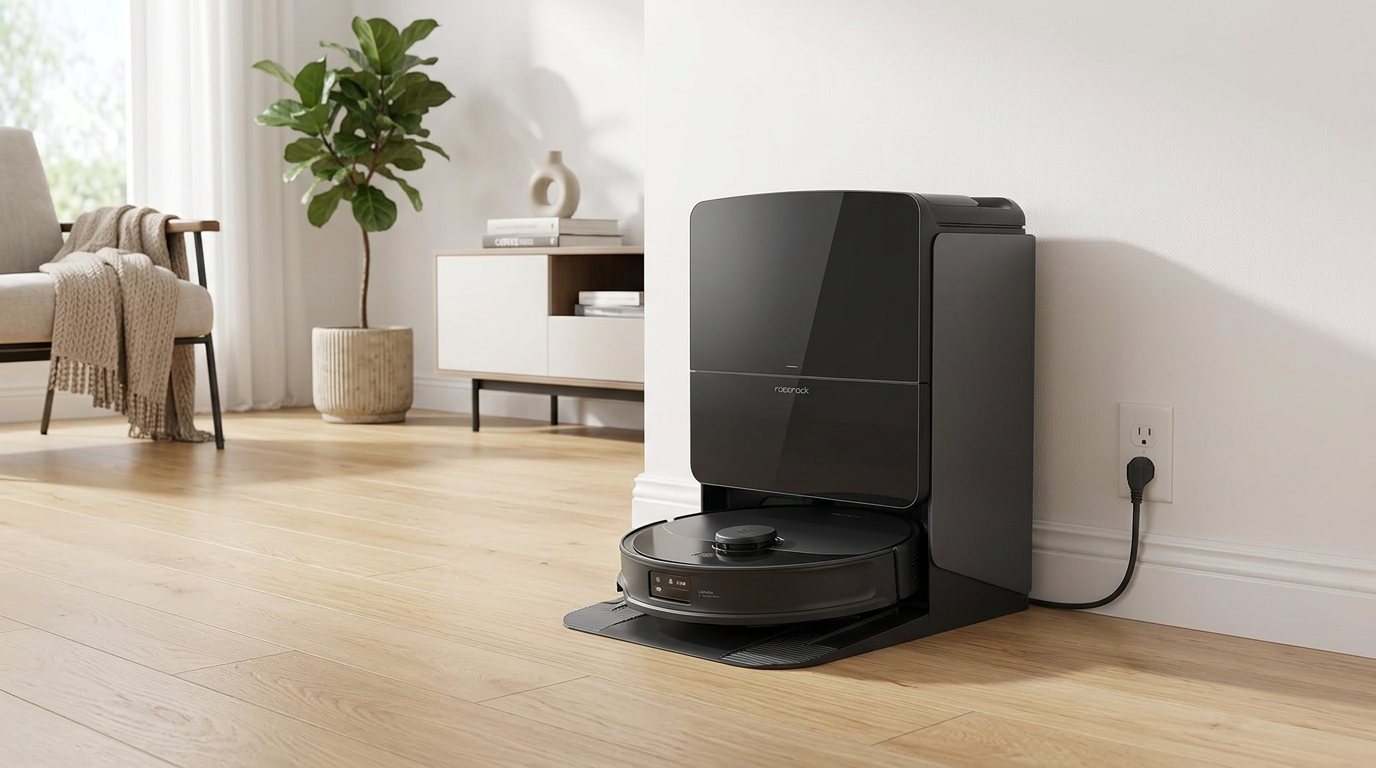
The Roborock Saros 10R is the Roborock I’d choose for a home with wood floors. It isn’t the newest name in the range, but it gets the hardwood basics right and adds the best obstacle avoidance of any model here.
Start with the shape. The Saros 10R is only about 3.1 inches tall because Roborock replaced the usual LiDAR turret with a flat, solid-state system it calls StarSight.
On wood floors, that matters more than it sounds. Dust collects under sofas, beds and sideboards, and a slim robot can clean underneath where taller models bump and turn back.
Vacuuming is strong. Roborock lists up to 22,000 Pa of suction, but the more useful detail for hardwood is the DuoDivide main brush, which splits the roller in two so hair can slide off the ends.
In Vacuum Wars’ 7-inch hair test, it tangled 0% of the time, against an average of around 39%. It also picked up 92% of flattened pet hair from carpet.
The mop is a pair of spinning pads with electronically controlled water flow. One pad swings out at edges, so it reaches closer to baseboards than robots with fixed pads.
On dried-on stains it scored above average in lab tests. Water use was close to average, at 0.21 teaspoon left behind, so I’d set the water flow low on oiled or older finishes.
The pads lift 0.3 inches when the robot detects carpet, which keeps area rugs dry. That’s the minimum I’d want, though thicker rugs are better handled with a no-mop zone.
Obstacle avoidance is where the Saros 10R pulls ahead. A front camera with AI recognition, a vertical light beam and a rear sensor helped it avoid all 24 obstacles in Vacuum Wars’ course.
That’s the reason it’s my top pick. Socks, cables and pet toys are what usually stop a robot on an open wood floor, and this one was the best at steering around them.
The dock does nearly everything. It empties the bin into a bag, washes the pads with hot water, dries them with warm air and refills the robot’s tank.
There are trade-offs. The 9.1-ounce dustbin is small, so heavy shedders may fill it mid-run, and navigation efficiency was only average without a top-mounted LiDAR.
Roborock claims it can climb two-tier thresholds up to 1.7 inches. Vacuum Wars cleared 0.8-inch and 1-inch boards but not a single 1.4-inch step, so don’t count on tall thresholds.
Price is the other hurdle. The list price is $1,599.99, but it has often sold for far less on Amazon, around $900 at times, so it’s worth checking.
Don’t pay list price for the Saros 10R. It has dropped several hundred dollars during sales events, so set a price alert or wait for Prime Day and Black Friday deals.
ZDNET named it the best Roborock overall in its 2026 roundup, with a 4.6 out of 5 rating. Vacuum Wars ranked it at the top of its Top 20 list.
- Avoided all 24 obstacles in lab tests
- Zero hair tangling
- Slim 3.1-inch body fits under furniture
- Edge-reaching mop with hot-water washing dock
- Above-average stain removal
- Expensive at list price
- Small 9.1-ounce dustbin
- Average navigation efficiency
- Struggled with very tall thresholds
Choose this if you have wood floors plus pets, kids or clutter, and you want the most hands-off robot Roborock makes.
Roborock Qrevo S Pro Robot Vacuum
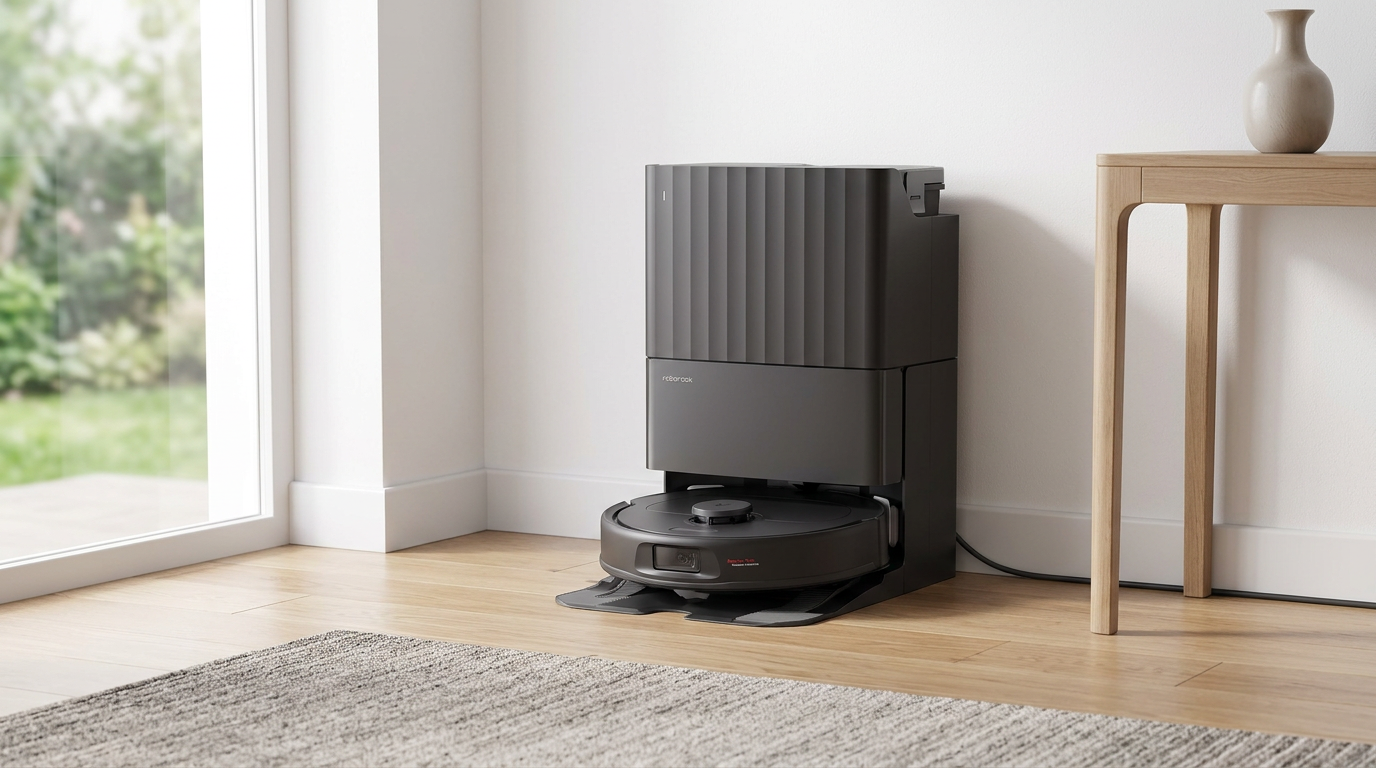
If your floors are mostly wood or tile and your main goal is a properly mopped floor, the Roborock Qrevo S Pro gives you most of the flagship mopping for a lot less.
It uses two spinning mop pads, rated at 200 RPM, with a dock that washes them in 167°F water and dries them with 113°F air.
Hot washing matters on hardwood. A pad that sits damp and dirty in the dock spreads a film of grime back onto the boards on the next run, and it starts to smell.
In Vacuum Wars’ tests, it posted the best stain scores in this Roborock group: 149 on the standard stain test and 166 on coffee, against averages of 108 and 94.
Its combined mopping score of 39.4 also beat the average of 31.1. For dried spills in a kitchen with wood floors, that’s the result you care about.
Water use was a little above average, at 0.23 teaspoon left behind. I’d run it on a low water setting on hardwood, and let the hot-washed pads do the work.
The pads lift 0.4 inches over carpet, and there’s a carpet-first mode that vacuums rugs before the pads are wetted. That stops damp pads from touching your rugs at all.
Navigation is efficient. It covered about 9.3 square feet per minute against a 7.6 average and is estimated to handle around 1,495 square feet on one charge.
Vacuuming is listed at 18,500 Pa, and there’s a single rubber main brush. That brush is gentle on wood, but in the lab it was the weak spot.
It picked up only 43% of flattened pet hair and tangled 62% of the time in the 7-inch hair test. With a shedding dog or cat, you’ll be cutting hair off the roller.
Obstacle avoidance is also basic. It uses a structured-light sensor rather than a camera, and avoided just 5 of 24 objects in testing.
My tip: With a shedding dog or cat, check the Qrevo S Pro’s roller every few days. A pair of small scissors and two minutes keeps it pulling hair in instead of pushing it around.
The list price is $699.99, and it has been heavily discounted at times. It also supports Matter, so it slots into most smart-home setups.
Vacuum Wars recommends it for hard-floor homes with few obstacles and little pet hair. That matches my reading of the numbers.
- Best stain results in this group
- Hot-water pad washing and warm-air drying
- 0.4-inch mop lift and carpet-first mode
- Efficient navigation and good coverage per charge
- Weak with pet hair
- Brush tangles easily
- Below-average obstacle avoidance
- Slightly wet on wood if set high
Choose this if your floors are mostly hardwood or tile, you don’t have heavy shedders, and you want the best mopping for the money.
Roborock Qrevo 2 Pro Robot Vacuum
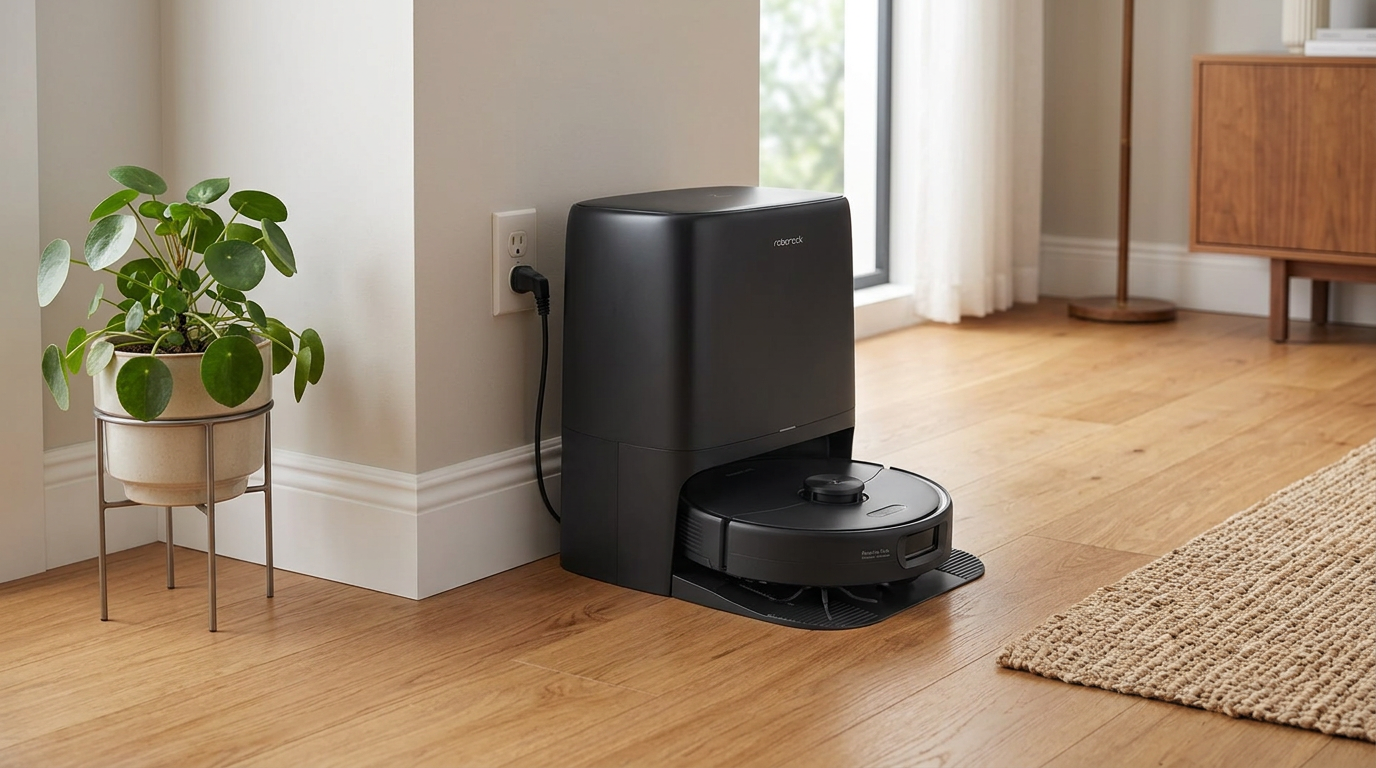
The Roborock Qrevo 2 Pro is the newest model in this guide, and it’s aimed at the same mid-range buyer as the Qrevo S Pro, with a few upgrades that help on wood.
The headline is suction: Roborock lists 25,000 Pa, the highest number here. On bare hardwood, you don’t need anything close to that, but it helps on rugs and in board gaps.
The more useful upgrade for wood floors is the mop. It has two spinning pads plus a FlexiArm that swings one pad out to clean along baseboards and into corners.
Dust and grime build up in a line along the baseboards on most wood floors. An extending pad gets much closer than a fixed one, so you’ll be wiping edges by hand less often.
The pads lift up to 0.6 inches over carpet, the highest lift in this group. That’s a real advantage if you have thick area rugs on top of your hardwood.
The dock washes the pads in water up to 167°F and dries them with 113°F air. It also empties the bin into a 2.6-quart bag that Roborock says lasts about 65 days.
The main brush is the split DuoDivide design also used on the Saros 10R. Basic Tutorials found it easy to clean and resistant to tangling.
In its review, the robot cleared dust, crumbs, pet hair, rice and oatmeal from hard floors with ease. Everyday dirt and fresh spills came off well when mopping.
Dried-on stains and grease were harder. If you cook a lot and spills sit for days, the Qrevo S Pro’s lab stain results look stronger.
The side brush is fixed rather than extending, so corners are still not perfect on the vacuuming side, even though the mop reaches them.
At about 3.8 inches tall with a fixed LiDAR turret, it won’t slide under the lowest furniture the way the Saros 10R does.
Obstacle avoidance relies on structured light with no camera. It handled larger objects well in testing but missed small ones, so pick up cables before it runs.
Quick habit: Do a 60-second floor sweep before each run: phone chargers, socks and pet toys. It’s the easiest way to stop a robot without a camera from getting stuck.
The battery is 5,200 mAh with a claimed runtime of up to 253 minutes. That’s plenty for a large single-floor home.
Basic Tutorials scored it 92 out of 100. Vacuum Wars hasn’t published full lab numbers for it yet, so I can’t compare its water use directly with the others.
For more detail on the dock, mopping and upkeep, see our full Roborock Qrevo 2 Pro review.
- Extending FlexiArm mop for edges
- 0.6-inch mop lift, the highest here
- Hot-water washing and warm-air drying
- Anti-tangle split main brush
- Long battery life
- Weaker on dried stains and grease
- Taller than the Saros 10R
- Misses small obstacles
- No full independent lab data yet
Choose this if you have long runs of baseboard or thick rugs on top of wood, and you want a newer mid-range model with a strong dock.
Roborock Q10 S5+ Robot Vacuum
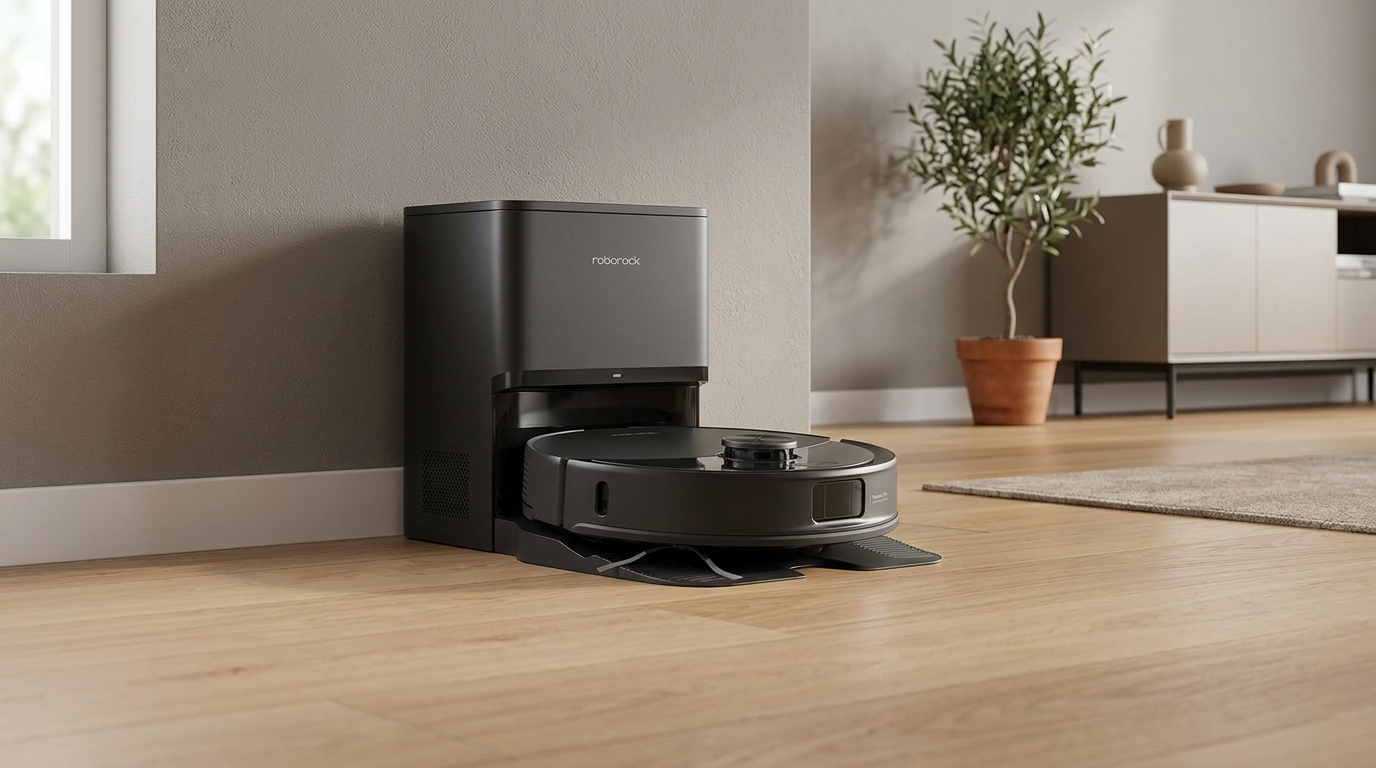
The Roborock Q10 S5+ is the budget model I’d pick for wood floors. Its biggest strength is one that hardwood owners should care about most: it leaves very little water behind.
In Vacuum Wars’ tests it left just 0.1 teaspoon of water on the floor, against an average of about 0.2 teaspoon. That was the lowest figure of any Roborock in this guide.
It doesn’t use spinning pads. Instead, the VibraRise 2.0 system scrubs with a single vibrating pad, and lifts it 0.3 inches when the robot detects a rug.
That combination is ideal for a gentle daily damp wipe on sealed hardwood. It removed dried-on stains slightly better than average, scoring 103 against 93.
Vacuuming results were surprisingly strong for the price. It scored 96% in the sand carpet test, tied for the best ever recorded, and picked up 96% of pet hair.
Hair tangling was 0% in the 7-inch hair test, thanks to the anti-wrap combs on the main brush. For a budget robot, that’s unusual.
Navigation is LiDAR-based and efficient, and battery life is long. Roborock rates it at around 250 minutes, and Vacuum Wars estimates about 1,243 square feet per charge.
The dock is simpler than on the Qrevo or Saros. It empties the bin into a 2.9-quart bag, but it doesn’t wash or dry the pad or refill the water tank.
That means you’ll rinse the pad and fill the tank yourself. If you mop daily, that becomes a chore; if you mop once or twice a week, it’s fine.
Obstacle avoidance is the weak point. It uses structured light and avoided only 6 of 24 objects, so it suits tidy rooms best.
Vacuum Wars also flagged early reports of units failing within days or weeks. I’d buy it from a seller with an easy return policy and register the warranty.
Buy a spare mop pad for the Q10 S5+. Swap in the dry one after each run and let the other air-dry fully, so a damp pad never sits on your floor or in the robot.
- Least water left behind of any pick
- Mop lifts 0.3 inches over rugs
- Excellent pet hair pickup with no tangling
- Auto-empty dock at a low price
- Long battery life
- Dock doesn’t wash or dry the pad
- Poor obstacle avoidance
- Some early reliability complaints
Choose this if you want safe, low-water mopping on wood floors and strong vacuuming without paying for a full self-cleaning dock.
Roborock Q7 M5+ Robot Vacuum
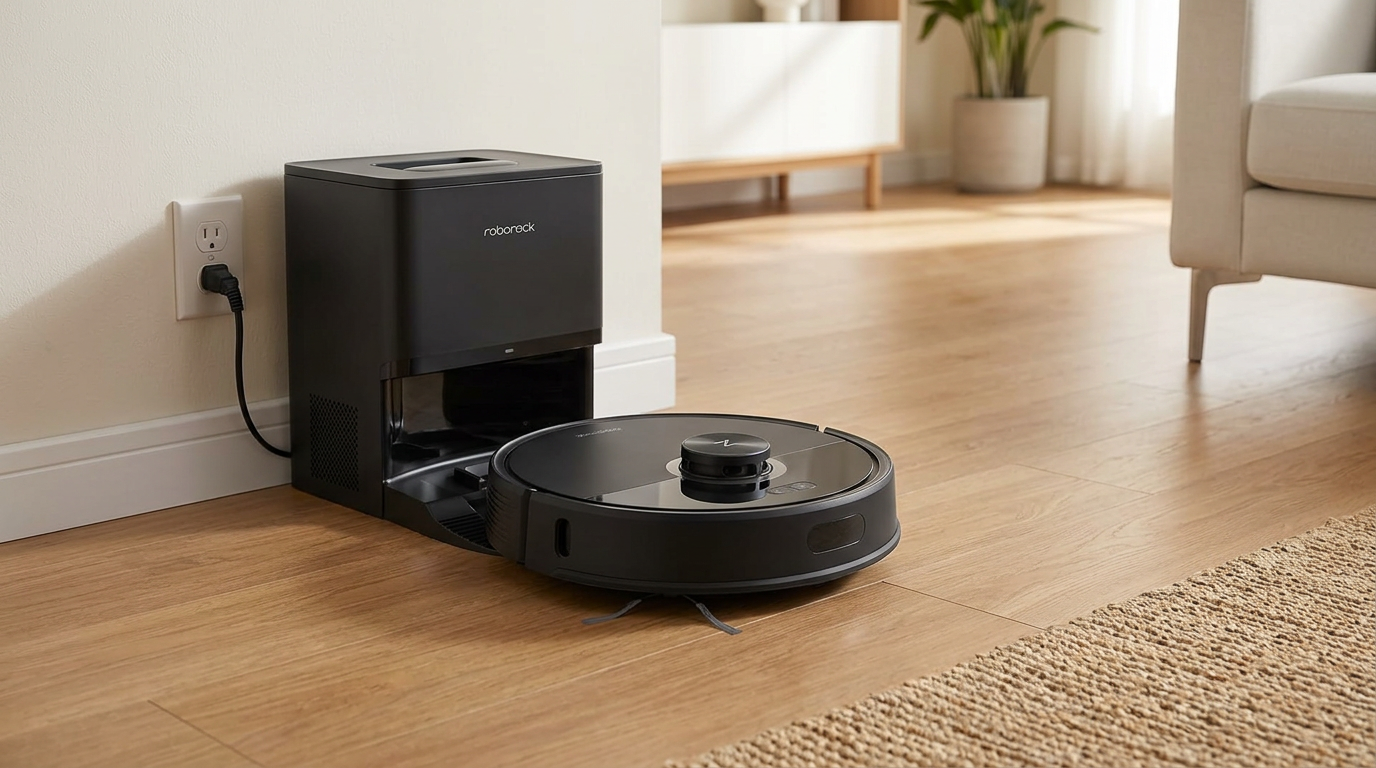
The Roborock Q7 M5+ is the cheapest Roborock in this guide, and as a vacuum, it’s very good for the money. As a mop for wood floors, it needs more care.
You get LiDAR mapping, listed suction of 10,000 Pa and an auto-empty dock with a 2.9-quart bag. Vacuum Wars measured real suction well above the average of its test group.
SlashGear found it picked up cat litter, dirt and pet hair well on the MAX+ setting. On lower settings, larger debris was sometimes pushed around instead of collected.
TechRadar praised its spring-loaded wheels, which clear raised thresholds between rooms easily. That helps in older homes with raised wood thresholds in doorways.
The mop is where I’d be careful. It’s a fixed, flat pad that drags behind the robot, with no washing, no lifting and no carpet detection.
In Vacuum Wars’ test, it left about 0.4 teaspoon of water on the floor, roughly twice the average. TechRadar also found it mopped wetter than expected and warned it may not suit delicate wood.
Because the pad doesn’t lift, it will also wet any rug it crosses. You need to remove the pad or use no-mop zones before a combined run.
On sealed, modern hardwood, the lowest water setting is fine for a light dust wipe. On oiled, waxed or older floors, I’d use it as a vacuum only.
Because the Q7 M5+ pad can’t lift, every mopping run puts water on every surface it crosses. If you’re unsure what finish your floor has, take the pad off until you know.
There are other compromises. The single bristle roller tangled 43% of the time with long hair, there’s no front obstacle avoidance, and the fixed side brush is weak at edges.
Owner reports are mixed. Some praise it after switching to higher suction, while others on Reddit describe Wi-Fi drops, charging faults and getting stuck on rug edges.
ZDNET still named it its best budget Roborock for hard floors, and Vacuum Wars placed it in its Top 5 budget robots. Just look at it as a vacuum first.
- Very low price for LiDAR and auto-empty
- Strong suction on MAX+
- Good threshold climbing
- Long-lasting dock bag
- Mop runs wet and doesn’t lift
- No front obstacle avoidance
- Long hair tangles
- Mixed owner reliability reports
Choose this if you have a small home, mostly need daily vacuuming, and are happy to mop the wood by hand or run the robot mop sparingly.
What to look for in a robot vacuum for hardwood floors
Water control comes first
Wood and water don’t mix. Standing water can seep into seams and swell the boards, so the most important mopping spec on hardwood is how much water the robot leaves behind.
Look for adjustable water flow, and ideally a lab figure for residue. In this group, the Q10 S5+ was the driest at 0.1 teaspoon, and the Q7 M5+ the wettest at about 0.4 teaspoon.
If a strip of floor isn’t dry within a minute or two after the robot passes, the water setting is too high for wood. Turn it down a notch and test again.
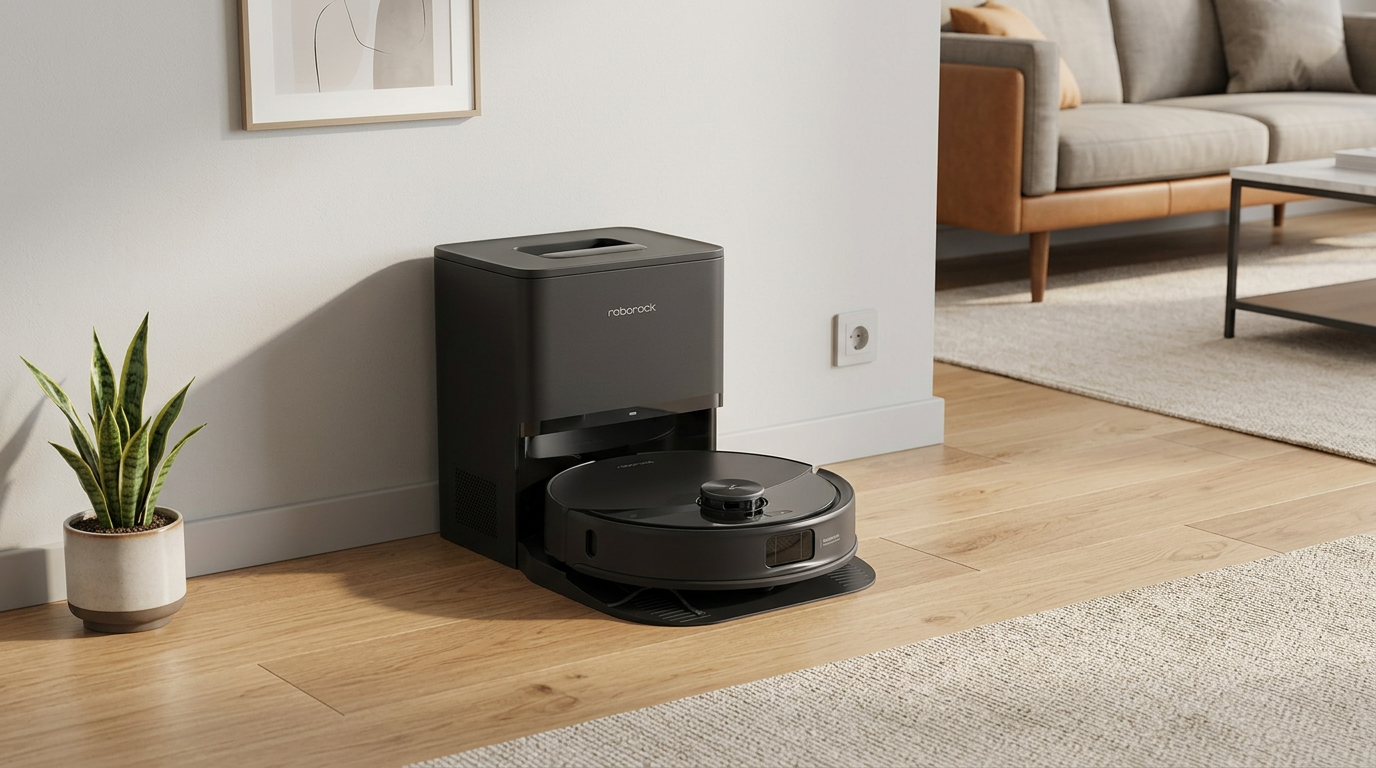
Mop lifting over rugs
Most wood floors have at least one area rug. A robot that can lift its pads keeps that rug dry and avoids dragging damp dirt across it.
The Qrevo 2 Pro lifts 0.6 inches, the Qrevo S Pro 0.4 inches, and the Saros 10R and Q10 S5+ 0.3 inches. The Q7 M5+ doesn’t lift at all.
A dock that washes and dries the pads
A dirty pad spreads a film over the floor and leaves streaks. Hot-water washing removes grease and grime, and warm-air drying stops the pad from going sour in the dock.
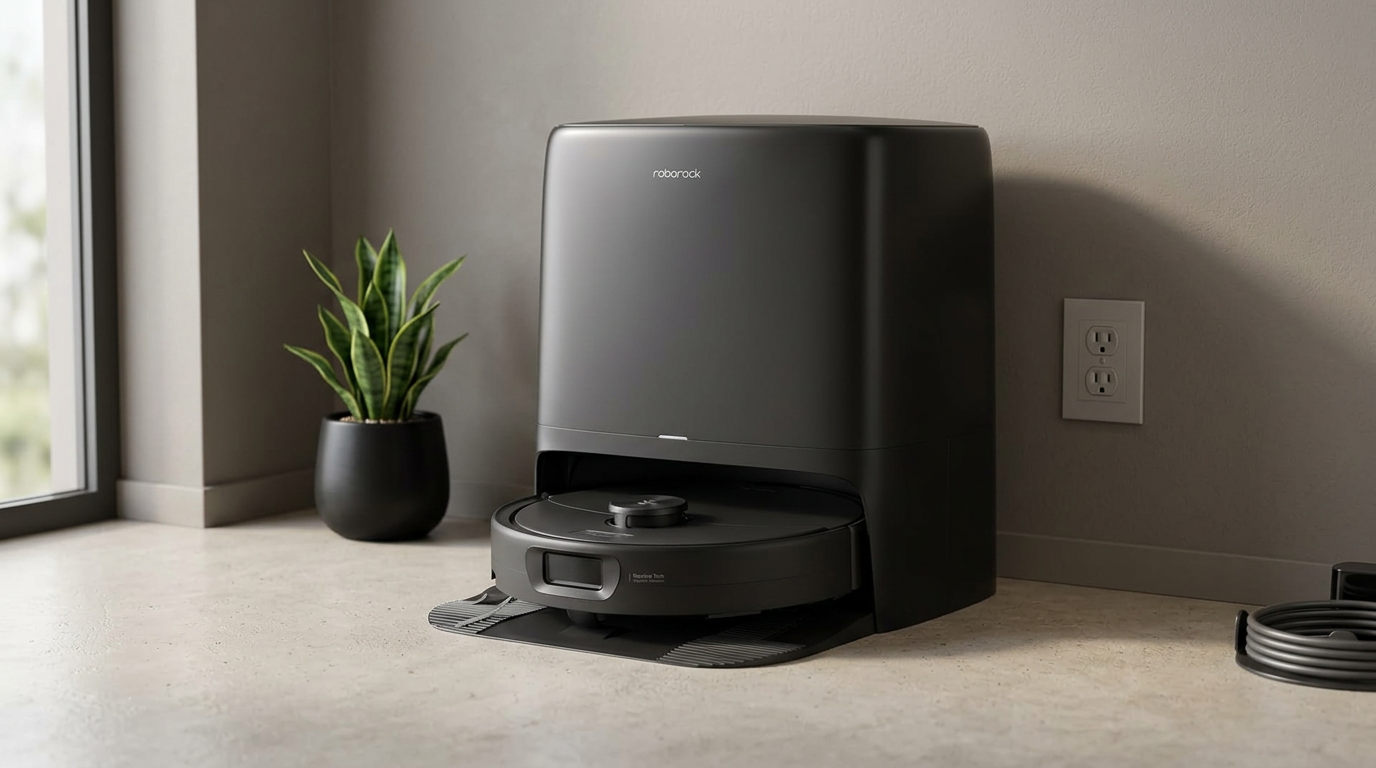
The Saros 10R, Qrevo S Pro and Qrevo 2 Pro all do this. The Q10 S5+ and Q7 M5+ only empty the dustbin, so the pad is your job.
Brush design and hair
Hardwood makes hair easy to see and easy for a robot to pick up, as long as the brush doesn’t clog. A wrapped roller stops pulling hair in and starts pushing it around.
Split or anti-tangle rollers make a big difference. The Saros 10R and Q10 S5+ both scored 0% in the 7-inch hair tangle test, while the Qrevo S Pro tangled 62% of the time.
Obstacle avoidance
Open wood floors are where socks, chargers and pet toys end up. A robot that rams or swallows them gets stuck, and a jammed cable can drag a lamp over.
Only the Saros 10R has a camera with object recognition, and it avoided every obstacle in testing. The others rely on structured light or nothing, so tidy up first.
Height and edges
Dust on hardwood drifts under furniture and along baseboards. A low robot reaches more of it, and an extending mop or side brush gets closer to the walls.
The Saros 10R is the slimmest here at about 3.1 inches. The Qrevo 2 Pro and Saros 10R both have a mop pad that swings out at edges.
My tip: Measure the gap under your sofa and bed before you buy. A robot that fits underneath cleans the dustiest part of a wood floor.
Is a robot mop safe for hardwood floors?
For most modern, sealed hardwood, engineered wood and laminate, yes. A robot mop uses a damp pad, not a bucket of water, and that’s close to what flooring makers recommend.
The risk comes from too much water, unsealed or damaged finishes, and gaps between boards. Water that sits in a seam can raise the grain or make the edges cup over time.
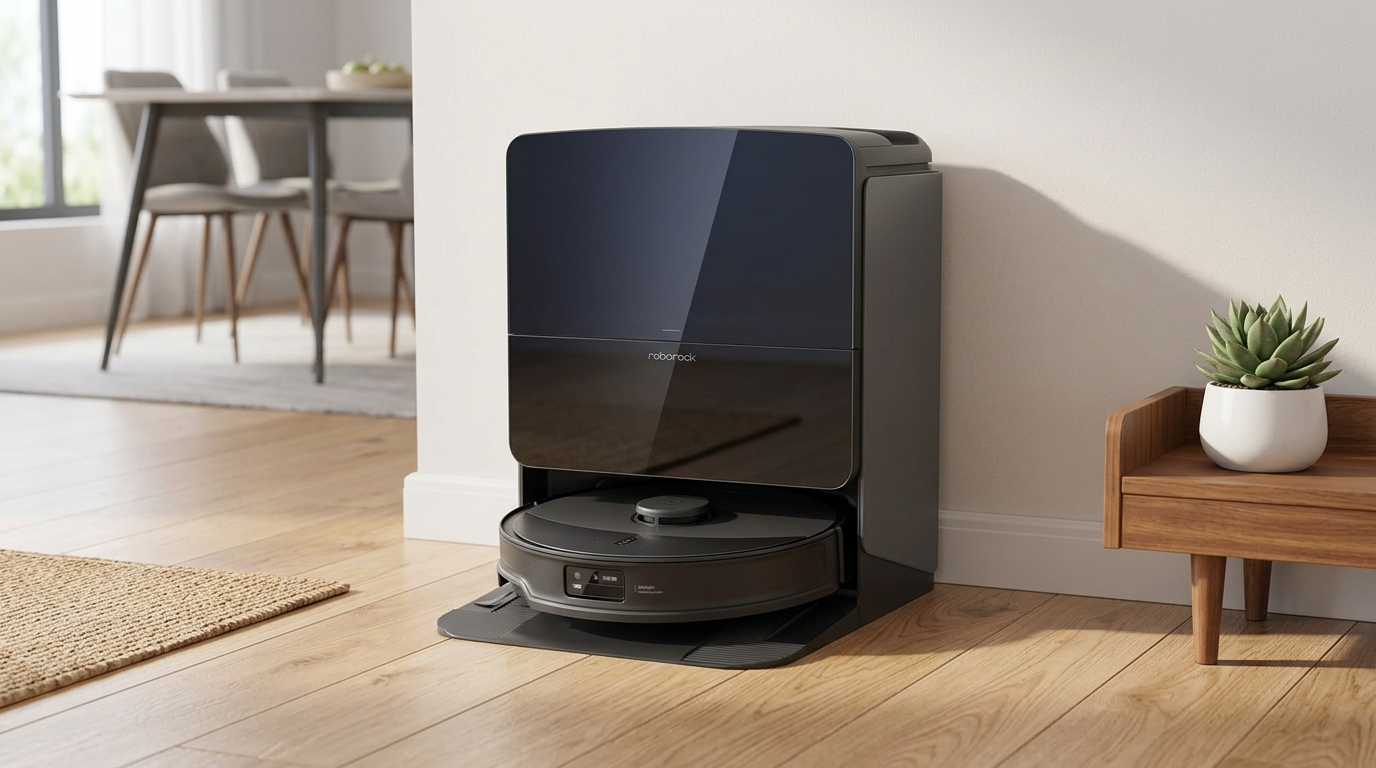
Check your floor’s care instructions first. Many manufacturers say no steam and no standing water, and some oiled or waxed floors shouldn’t be wet-mopped at all.
Test the robot on a small area at the lowest water setting. If the floor dries within a minute or two and there are no streaks, you’re fine.
Stick to plain water, or a cleaning solution approved for both the robot and your floor. Vinegar, ammonia and oily soaps can dull a polyurethane finish over time.
Avoid wet runs in rooms with scratches or worn finish. Water reaches the wood itself there, and that’s where damage starts.
Quick test: is your floor sealed?
- Add a few drops of water
Pick a hidden spot, like inside a closet or under a couch.
- Wait a few minutes
Don’t wipe the drops away yet.
- Check what happened
If the water beads up, the floor is sealed and low-water mopping is fine. If it soaks in or darkens the wood, stick to vacuuming.
Still unsure? Ask your flooring installer or manufacturer before you mop.
Which Roborock fits your home?
The right robot depends more on your home than on the spec sheet. Here’s how I’d match them up.
You have pets, kids or a lot of clutter
Get the Saros 10R. Its camera avoided every obstacle in testing, and its split roller didn’t tangle with long hair.
It also fits under low furniture, where pet hair and dust balls collect on a wood floor.
Your floors are almost all hardwood and tile
The Qrevo S Pro is the best mopper for the money. Set the water low and let the hot-washed pads handle the daily wipe.
It’s best in tidier homes without heavy shedders.
You have long baseboards or thick rugs
The Qrevo 2 Pro extends a mop pad along the edges and lifts its pads 0.6 inches over rugs.
It’s a good fit for open-concept living spaces with wood throughout and a few large rugs.
You want to spend less but still mop safely
The Q10 S5+ leaves the least water behind and lifts its pad over rugs. You’ll rinse the pad and fill the tank yourself.
For a careful hardwood owner on a budget, that’s the trade I’d make.
You mainly need a daily vacuum
The Q7 M5+ vacuums well for very little money. Use the mop sparingly on wood, or not at all on older finishes.
It suits apartments and small homes with simple layouts.
Setting up a Roborock for hardwood floors
A few settings in the Roborock app make a real difference on wood. I’d change these on day one.
Start with the water level. Set it to low for every room with hardwood, and only raise it in the kitchen if spills aren’t coming up.
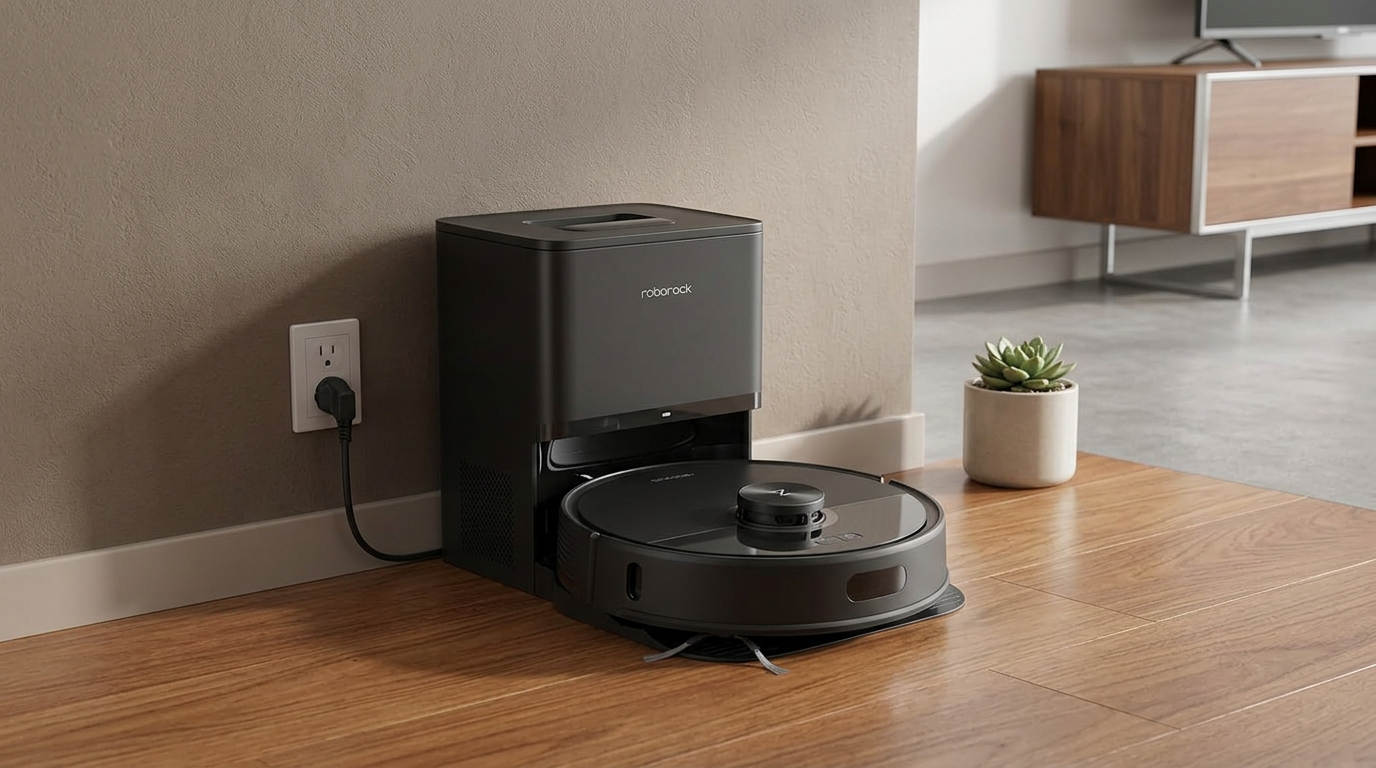
Turn on carpet detection and, if your model has it, carpet-first mode. The robot vacuums the rugs before it wets the pads.
Draw no-mop zones around thick rugs, pet bowls and any area where the finish is worn. Draw no-go zones around cable clusters and plant pots.
Set the floor type for each room. Several Roborock models can mop along the direction of the boards, which helps avoid visible swirl marks on wood.
Finally, schedule a vacuum-only run most days and a mopping run a few times a week. Hardwood rarely needs a wet clean every day.
My tip: Make the very first run a vacuum-only mapping run with every interior door open. You get a cleaner map, and you can draw your no-mop zones before any water touches the floor.
Pets on hardwood: what matters most
Pet hair on wood floors is easy to pick up but quick to clog a brush. The biggest predictor of success is the roller, not the suction figure.
In lab tests, the Saros 10R and Q10 S5+ both had zero hair tangling, while the Qrevo S Pro and Q7 M5+ wrapped long hair often.
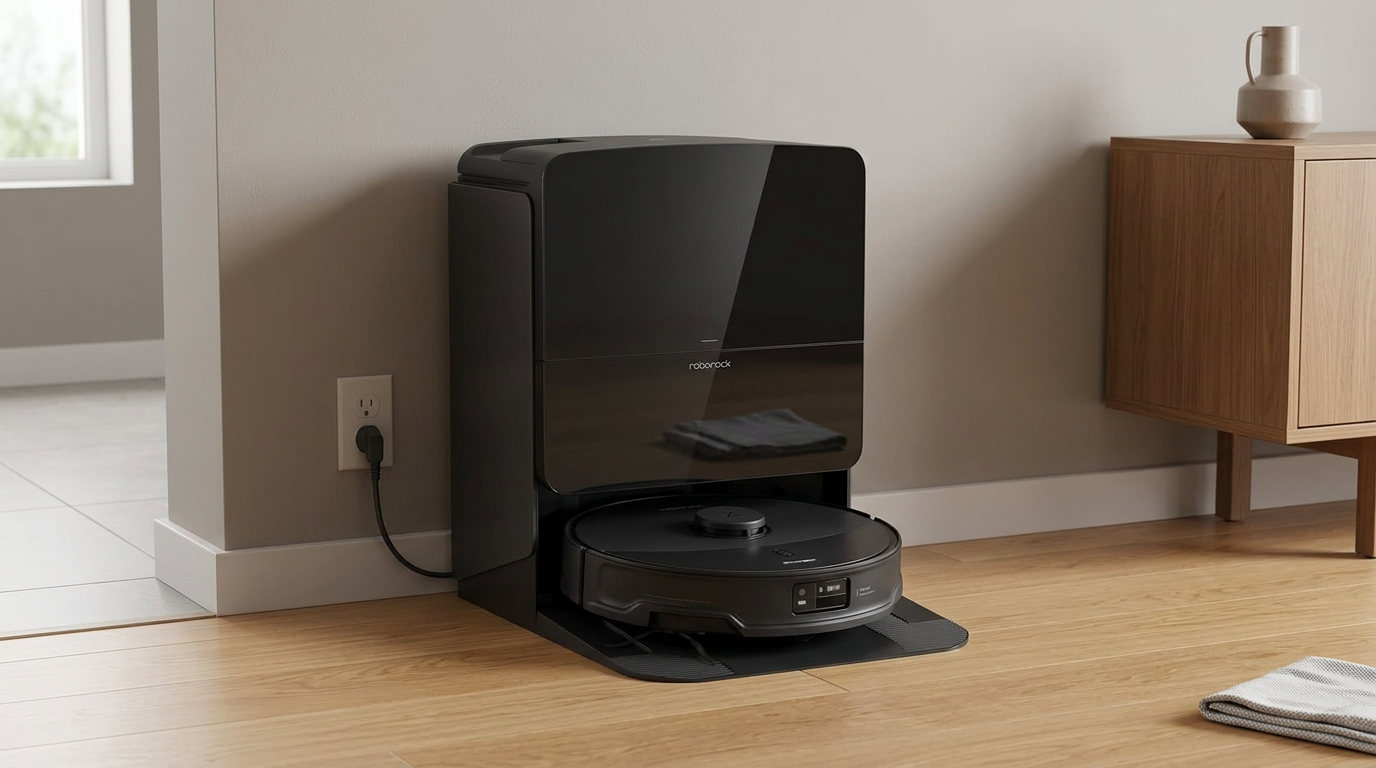
Claws are harder on finishes than robots are. Robot wheels are rubber and the brushes are soft, so a robot vacuum won’t scratch a sealed floor in normal use.
Grit is the real enemy. Sand and small stones act like sandpaper underfoot, and a daily robot run removes them before they wear the finish down.
If your pet has accidents, a camera-equipped robot is worth the extra money. A robot without object recognition can spread a mess across the whole floor.
Pet bowl tip: Put a washable mat under food and water bowls and draw a no-go zone around it. The robot won’t scatter kibble or drive through spilled water and track it across the boards.
How much does a Roborock cost to run?
Electricity is the cheap part. A robot vacuum uses roughly as much power to recharge as a laptop, so a daily run costs only a few dollars a year.
The real running costs are consumables: dust bags, filters, side brushes, main rollers and mop pads. Roborock and third-party sellers stock all of them.
Dock bags last weeks rather than days. Roborock rates the Q10 S5+ and Q7 M5+ bags for up to around seven weeks, and the Qrevo 2 Pro bag for about 65 days.
Full washing docks also use cleaning solution if you choose to add it. On sealed hardwood, plain water in a hot-wash dock is usually enough.
General guide for daily use. The Roborock app tracks hours for each part and tells you when to swap.
How I ranked them
I ranked the five models on how well they suit a home with mostly hardwood floors, weighing six things.
Water control: how much water the mop leaves behind, and whether you can turn it down.
Rug handling: how high the pads lift, and whether there’s a carpet-first mode.
Mop hygiene: whether the dock washes the pads in hot water and dries them.
Hair and debris: pickup and tangling results from lab tests.
Obstacles and reach: object avoidance, robot height and edge cleaning.
Value and reliability: price against features, plus owner reports of faults.
The Saros 10R won because it did well on every point and was clearly best on obstacles. The Qrevo S Pro came second on the strength of its mopping.
Still torn?: Pick the model with the drier mop. You can always vacuum more often, but you can’t undo water damage to a wood floor.
Tips to get better results and make it last
- Keep the water low
Start at the lowest setting on wood and only raise it for sticky kitchen spills.
- Clean the roller weekly
Cut away wrapped hair so the brush keeps pulling debris in rather than pushing it around.
- Wipe the sensors
Dust on the LiDAR, cliff and obstacle sensors causes bumping and missed spots.
- Wash pads by hand on basic docks
On the Q10 S5+ and Q7 M5+, rinse the pad after every mop and let it dry fully.
- Empty the dock’s dirty-water tank
On washing docks, empty and rinse it every few runs to stop odors.
- Replace parts on schedule
Worn side brushes and clogged filters cut pickup long before the robot itself wears out.
- Look up error codes first
Before you call support, check our Roborock error codes guide. Most alerts, from a dirty sensor to a full dirty-water tank, take a minute to fix.
What I’m checking next
I’ll update this guide when Vacuum Wars or another lab publishes full water and obstacle results for the Qrevo 2 Pro, so I can compare it directly.
I’m also watching owner reports on the Q10 S5+ to see whether the early reliability complaints continue.
Frequently asked questions
Which Roborock is best for hardwood floors?
For most homes, the Saros 10R. It combines a hot-wash mopping dock, zero hair tangling and the best obstacle avoidance in this group. The Qrevo S Pro is the best value if you mainly want mopping.
Will a Roborock scratch my hardwood floors?
Not in normal use. The wheels are rubber and the brushes are soft. Grit trapped under a dirty mop pad can mark a finish, so keep pads clean.
Is it safe to mop hardwood with a robot?
On sealed hardwood and laminate, yes, at a low water setting. Avoid mopping oiled, waxed, unsealed or damaged floors, and check your floor’s care guide.
Which Roborock uses the least water?
The Q10 S5+ left just 0.1 teaspoon of water behind in Vacuum Wars’ test, the lowest of the models here. The Q7 M5+ was the wettest at about 0.4 teaspoon.
Do I need a mop that lifts?
If you have rugs on your hardwood, yes. Without a lift, the robot will wet the rug or you’ll have to remove the pad for every combined run.
Is the Saros 10R worth the extra money?
If you have pets, kids or a cluttered floor, I think so. Its obstacle avoidance and tangle-free roller save you from rescues and brush cleaning. In a tidy home, the Qrevo S Pro covers most of the same ground.
Can I use cleaning solution in a Roborock on wood?
Only a solution Roborock approves for your model, and one that’s safe for your floor finish. Plain water works well on sealed hardwood.
How often should a robot mop hardwood?
A few times a week is enough for most homes. A daily vacuum-only run keeps grit off the floor in between.
Related reviews and guides
Roborock Saros 10R review Roborock Qrevo 2 Pro review Roborock Q10 S5+ review Roborock Qrevo S Pro review Roborock Q7 M5+ review The best Roborock for pet hair The best Roborock for carpets Roborock error codes: what they mean and how to fix them


- Roborock and retailer specifications for the Saros 10R, Qrevo S Pro, Qrevo 2 Pro, Q10 S5+ and Q7 M5+
- Vacuum Wars lab reviews of the Saros 10R, Qrevo S Pro, Q10 S5+ and Q7 M5+
- Basic Tutorials, Roborock Qrevo 2 Pro review
- TechRadar, Roborock Q7 M5 review
- ZDNET, best Roborock robot vacuums of 2026
- SlashGear and owner reports on Reddit and Amazon
- First version published, comparing five Roborock models for hardwood floors.