Can a robot vacuum replace manual vacuuming completely?
A robot can take over most routine floor vacuuming, but not stairs, upholstery or deep carpet. I break down what robots do well, which homes can go robot-only and the smallest backup vacuum worth keeping.
We choose products independently. We may earn a commission through links on this page; your price stays the same. Affiliate policy
On this page
The short answer
- For most homes, a robot can replace most routine vacuuming, but not all of it.
- Robots excel at daily dust, crumbs and pet hair on hard floors and low rugs, and under low furniture.
- They can't do stairs, couches, curtains or cars, and they don't deep clean thick carpet like an upright.
- My setup: robot daily, plus a cordless stick for a five-minute weekly touch-up on stairs and corners.
Can a robot vacuum replace your regular vacuum? The honest answer
This is the question behind almost every robot vacuum purchase. If I buy one, can I finally get rid of the upright in the hall closet?
My honest answer after years of living with robots: for most homes, a robot can replace most of your vacuuming, but not all of it. The robot handles the daily maintenance; a handheld or stick vacuum handles the stairs, corners, couches and the occasional deep clean.
That split still saves a lot of time. According to the Bureau of Labor Statistics' American Time Use Survey, Americans spent an average of about two hours a day on household activities in 2024. Handing off daily floor cleaning to a robot chips away at part of that.
In this guide, I go through exactly what a robot can and can't do compared with a manual vacuum, which homes can go robot-only, and the smallest backup tool I recommend keeping.
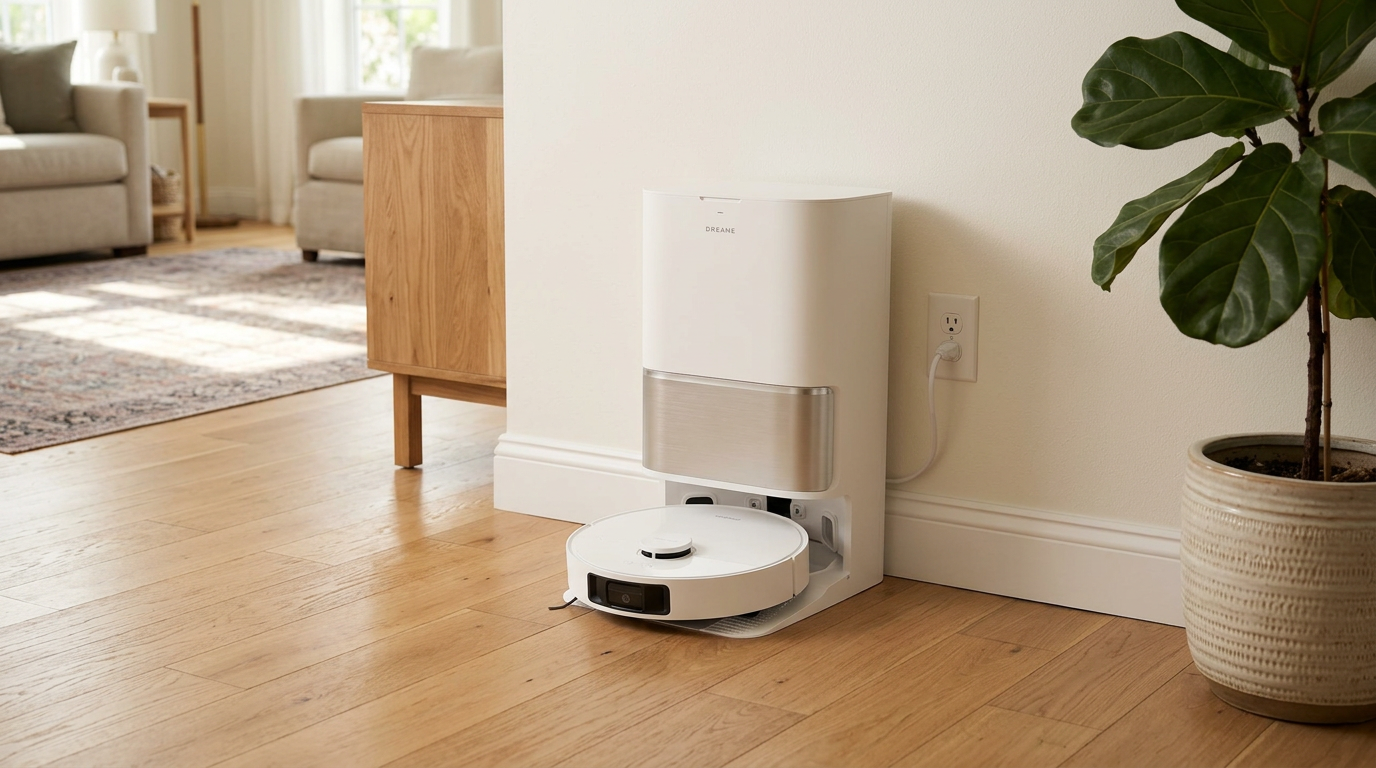
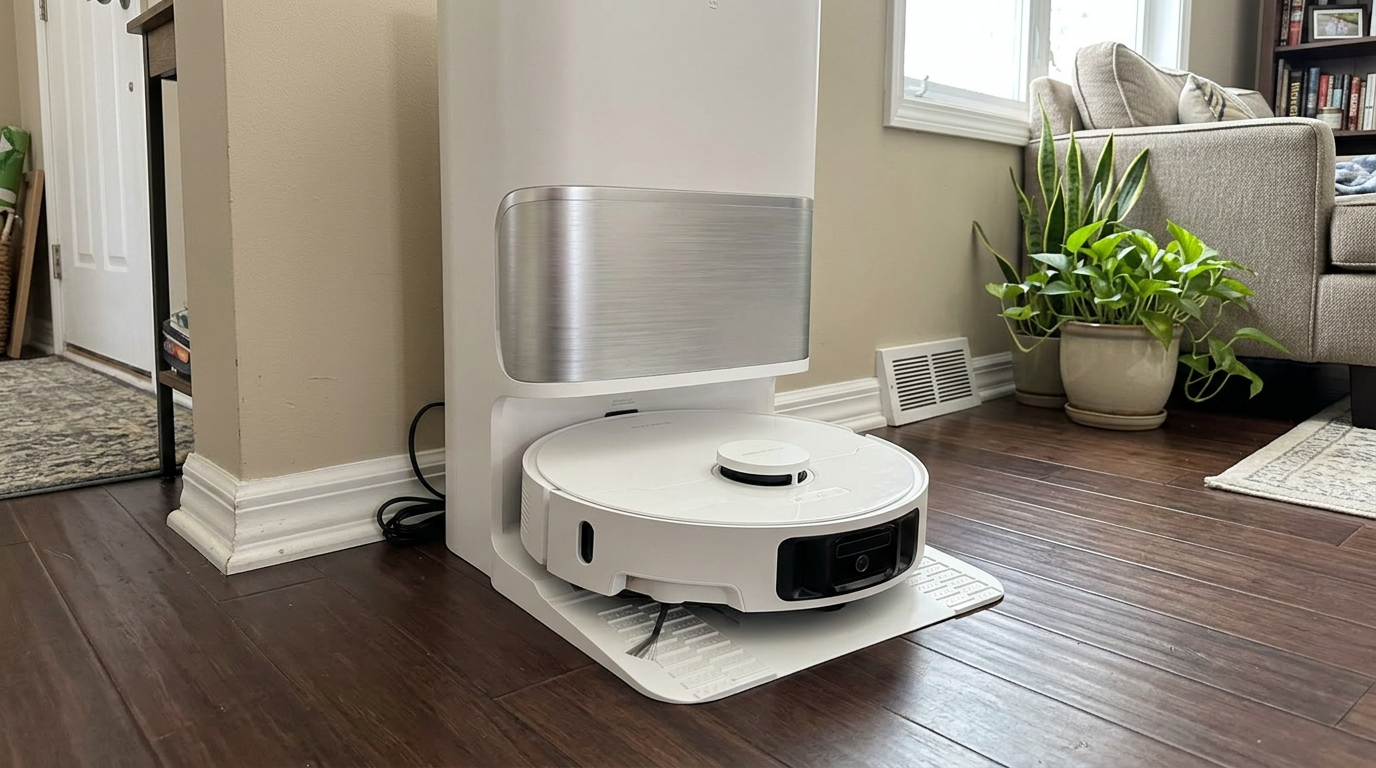
A robot with a full-featured dock, like the L40 Ultra Gen 2, can take over daily floor cleaning, but stairs and upholstery still need a manual tool. Read my Dreame L40 Ultra Gen 2 review →
What a robot does well, and what it can't do
Here is how I see the split between robot and manual vacuum across common cleaning jobs.
| Cleaning job | Robot | Manual vacuum | Notes |
|---|---|---|---|
| Daily dust and crumbs on hard floors | Excellent | Good | Robots win because they run every day |
| Pet hair on floors | Very good | Good | Frequent robot runs keep hair from building up |
| Low and medium pile carpet | Good | Very good | Robots maintain; uprights deep clean |
| High-pile and shag rugs | Poor to fair | Very good | Many robots can't drive on deep pile |
| Stairs | Not possible | Excellent | Robots cannot climb stairs |
| Couches, mattresses, curtains | Not possible | Excellent with tools | Needs attachments |
| Tight corners and baseboards | Fair | Excellent with crevice tool | Round robots can't reach into corners |
| Under low furniture | Good if it fits | Fair | Robots often reach where uprights can't |
| Big spills or piles of debris | Poor | Excellent | Small robot bins fill fast |
| Car interiors | Not possible | Good with a handheld | Obviously a manual job |
The pattern is clear. Robots win on consistency and on low, flat spaces. Manual vacuums win on anything vertical, soft, deep or awkward.
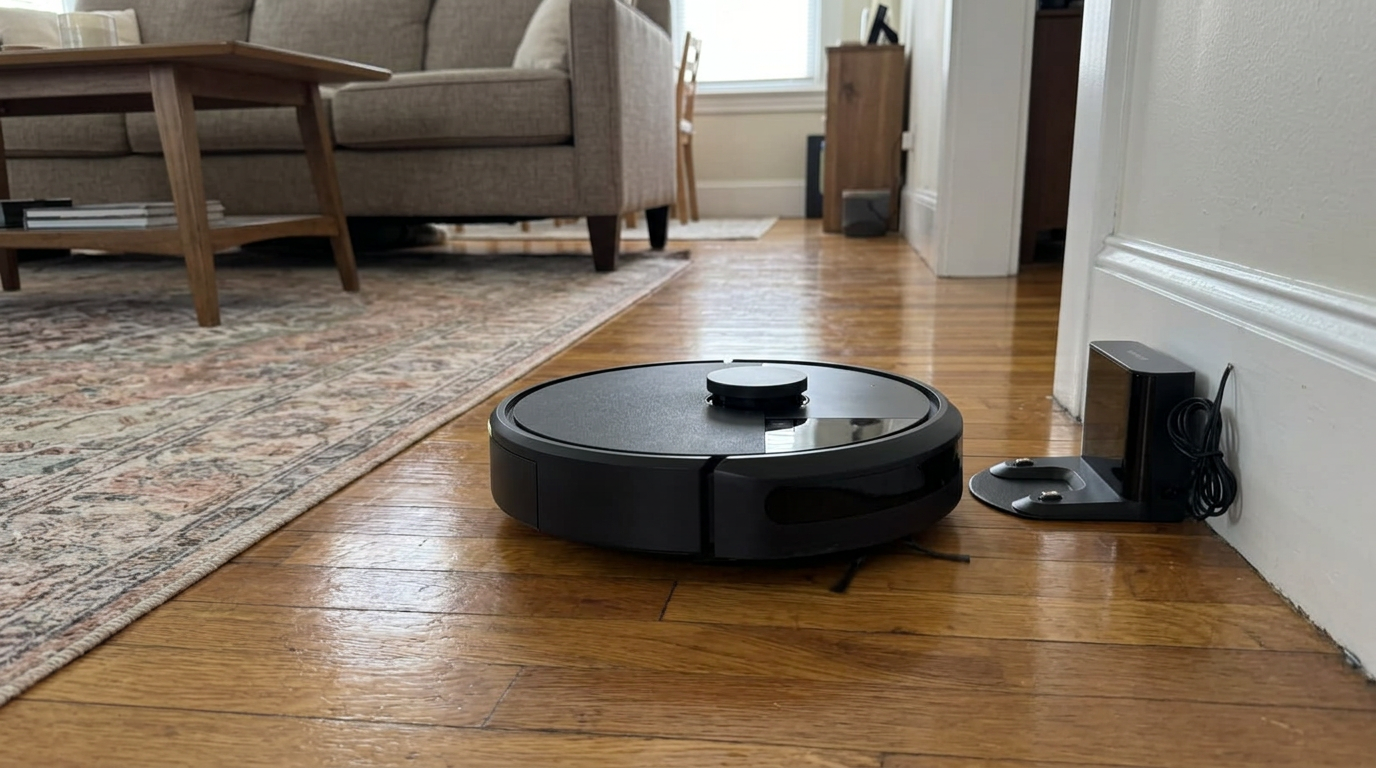
Vacuum-only robots like the Roomba 105 Vac excel at daily maintenance on open floors, which is most of the vacuuming in many homes. Read my iRobot Roomba 105 Vac review →
Suction, deep carpet and why comparisons are tricky
People often ask me whether robots have caught up to uprights on suction. That question is harder to answer than it looks, and the people who write the test standards agree.
The international robot vacuum standard, IEC/ASTM 62885-7, includes a note that its cleaning performance methods should only be used to compare robots with other robots, not with manually operated vacuum cleaners. You can see that scope note in the published standard summary.
The reason is practical. A robot and an upright work in completely different ways: one cleans a little every day with a small brush and a battery-powered fan; the other cleans less often with a wide powered brush head, a corded motor and a person steering it.
Deep carpet is where the difference shows most. A vacuum specialist's explainer notes that airflow alone struggles to dislodge deeply embedded dirt, which is exactly what a wide, motor-driven upright brush is built for.
How I think about itA robot is a maintenance tool, not a deep-cleaning tool. Daily maintenance prevents most of the buildup that used to require a big weekly vacuum session.
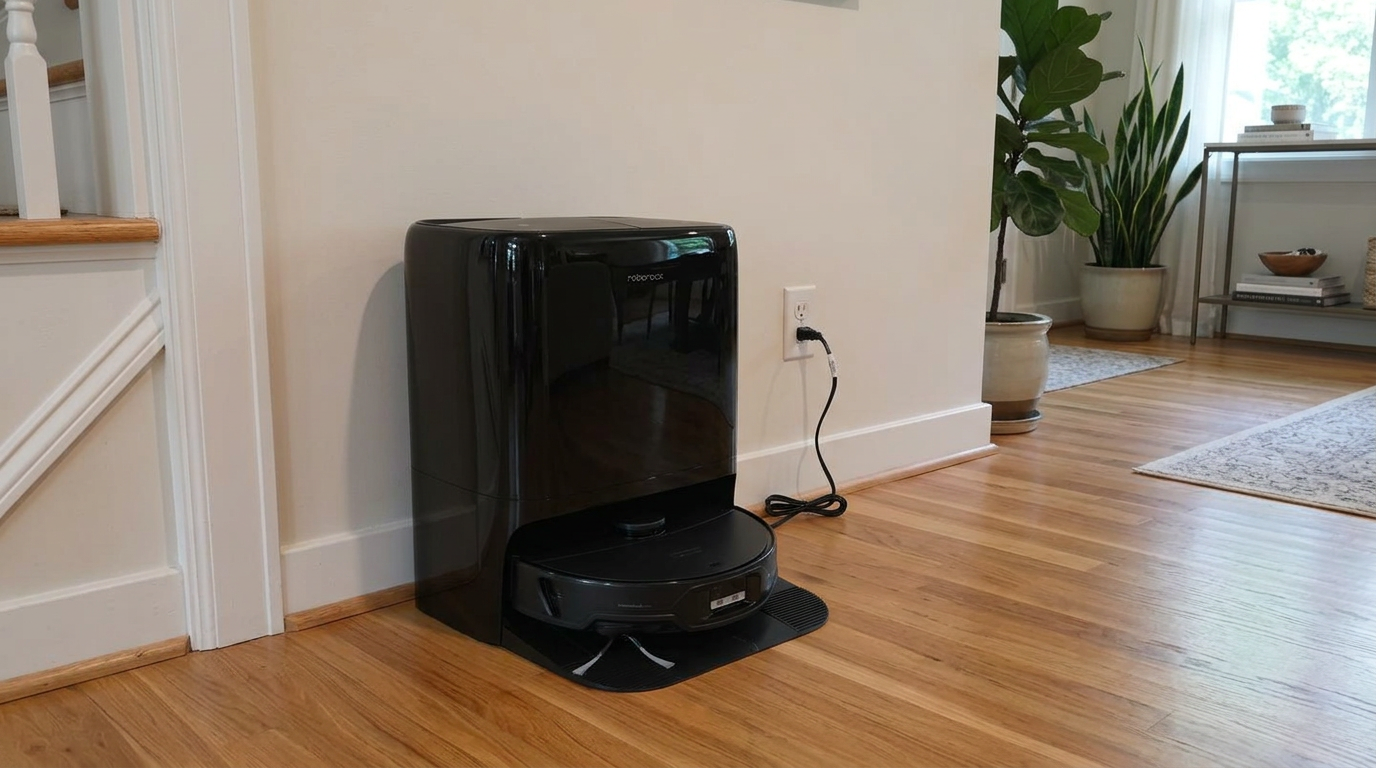
Even high-suction flagships like the Qrevo Edge 3 Pro are best thought of as daily maintenance machines rather than upright replacements on deep carpet. Read my Roborock Qrevo Edge 3 Pro review →
Which homes can go robot-only
Some homes really can go robot-only, or nearly so. Others still need a capable manual vacuum. Here is how I sort them.
| Home type | Can a robot replace manual vacuuming? | Backup I would keep |
|---|---|---|
| Apartment, mostly hard floors, no stairs | Almost entirely | A small handheld for spills and couches |
| Single-story home with area rugs | Mostly | A cordless stick for edges and rugs |
| Two-story home | For floors, yes; stairs, no | A cordless stick or handheld for stairs |
| Wall-to-wall medium or high pile carpet | Partly | A full-size upright or strong stick for weekly deep cleans |
| Heavy pet shedding | Mostly, with daily runs | A pet tool for upholstery and pet beds |
| Allergy household | Helps a lot, but not alone | A sealed-system vacuum for upholstery and deep cleans |
- Floors are mostly hard surfaces or low rugs
- There are no stairs, or someone else handles them
- You are fine with occasional handheld touch-ups
- You have stairs or lots of carpet
- You need to clean upholstery, curtains or cars
- You deal with big messes like sand, potting soil or renovation dust
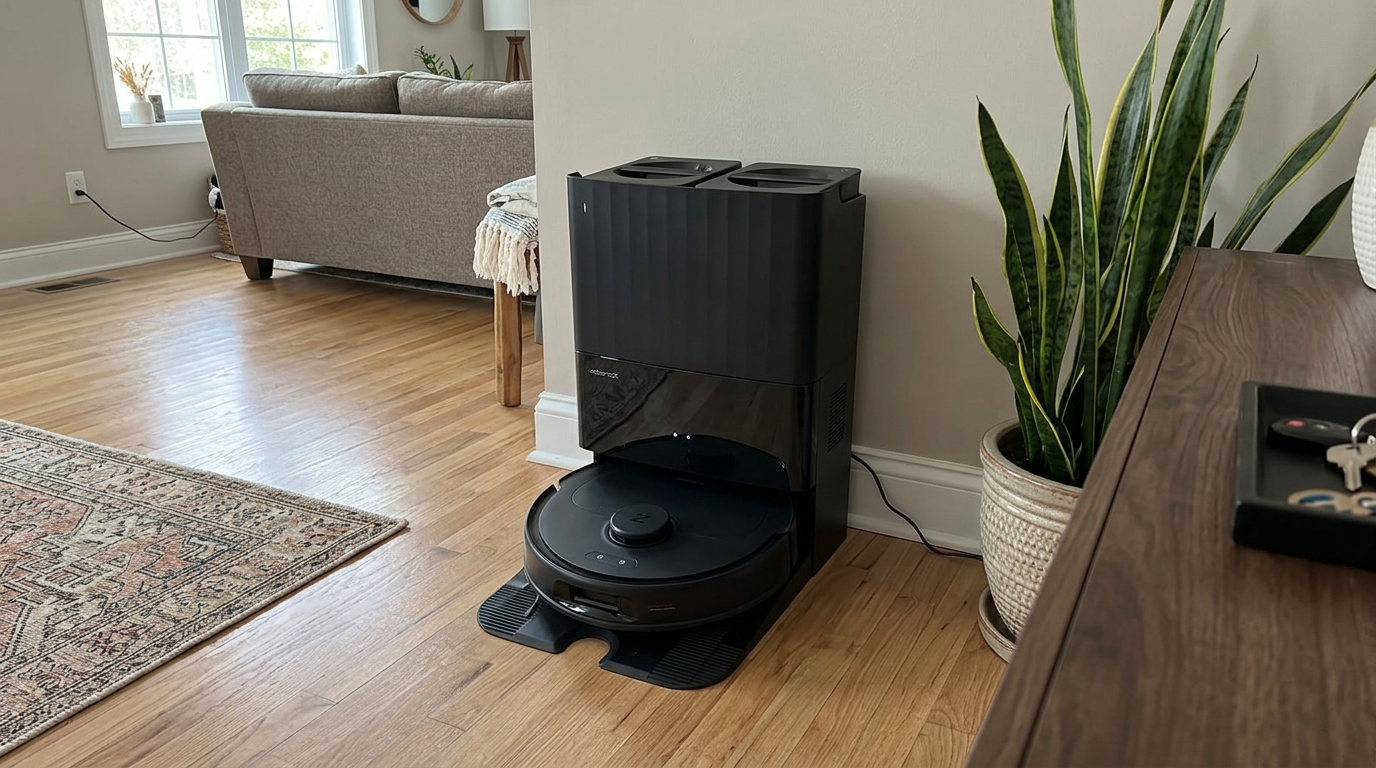
In single-story homes with mostly hard floors, a robot like the Qrevo S Pro can take over nearly all regular vacuuming. Read my Roborock Qrevo S Pro review →
How much time a robot actually saves
Even if a robot doesn't replace your vacuum, it can replace most of the time you spend vacuuming. That is the real win.
The Bureau of Labor Statistics reports that about 80% of Americans spent some time on household activities on an average day in 2024, and its 2024 summary found 87% of women and 74% of men did so. Daily floor cleaning is one of the most repetitive parts of that load.
Here is a rough way to think about the time shift. These are my own planning estimates for a typical single-story home with a mix of floors, not survey data.
The minutes that remain with a robot are mostly maintenance: emptying the bin or bag, clearing brushes and a quick stick-vacuum pass on stairs or under the couch cushions.
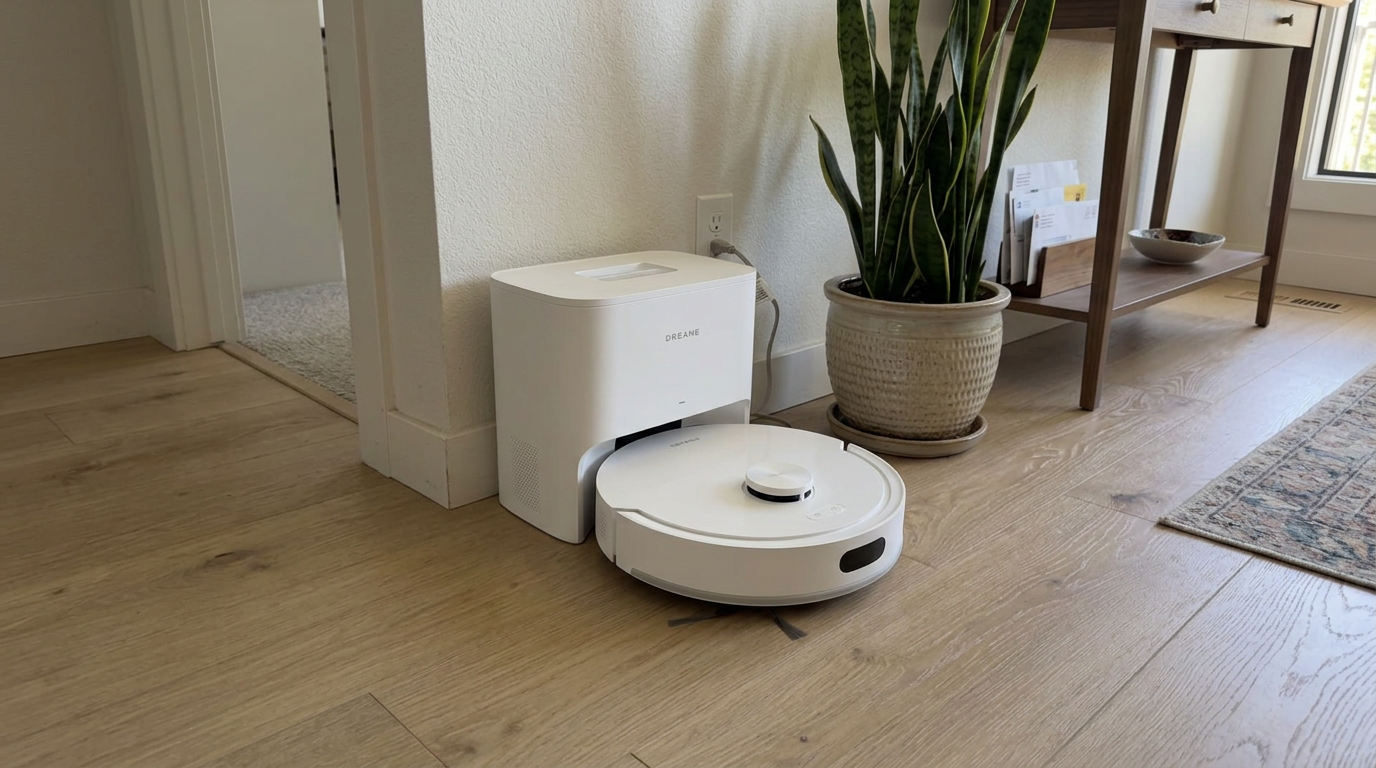
A mid-range robot like the D20 Air Plus running daily can cut weekly vacuuming time to quick touch-ups. Read my Dreame D20 Air Plus review →
The smallest backup vacuum I recommend
If you are pairing a robot with a manual vacuum, you don't need a big, expensive upright for most homes. The robot does the heavy lifting; the manual tool just fills the gaps.
| Backup tool | Best for | Good fit when |
|---|---|---|
| Handheld vacuum | Spills, couches, car, stairs in short bursts | Mostly hard floors and few stairs |
| Cordless stick vacuum | Stairs, edges, rugs, quick whole-room passes | Most homes with a robot |
| Corded upright | Deep cleaning wall-to-wall carpet | Lots of medium or high pile carpet |
| Canister with tools | Upholstery, curtains, stairs, deep cleaning | Allergy households or lots of soft furnishings |
For deep carpet, it is worth knowing that independent carpet testing exists. The Carpet and Rug Institute's Seal of Approval program tests vacuums for soil removal, dust containment and effect on carpet appearance, which can help if you are choosing an upright to pair with your robot.
My own setup is a robot for daily floors and a cordless stick for stairs, edges and anything the robot can't reach. That combination has replaced a full-size upright in my home.
My weekly routine: Once a week, I do a five-minute stick-vacuum pass on the stairs and along baseboards, and a quick handheld pass on the couch. The robot handles everything else.
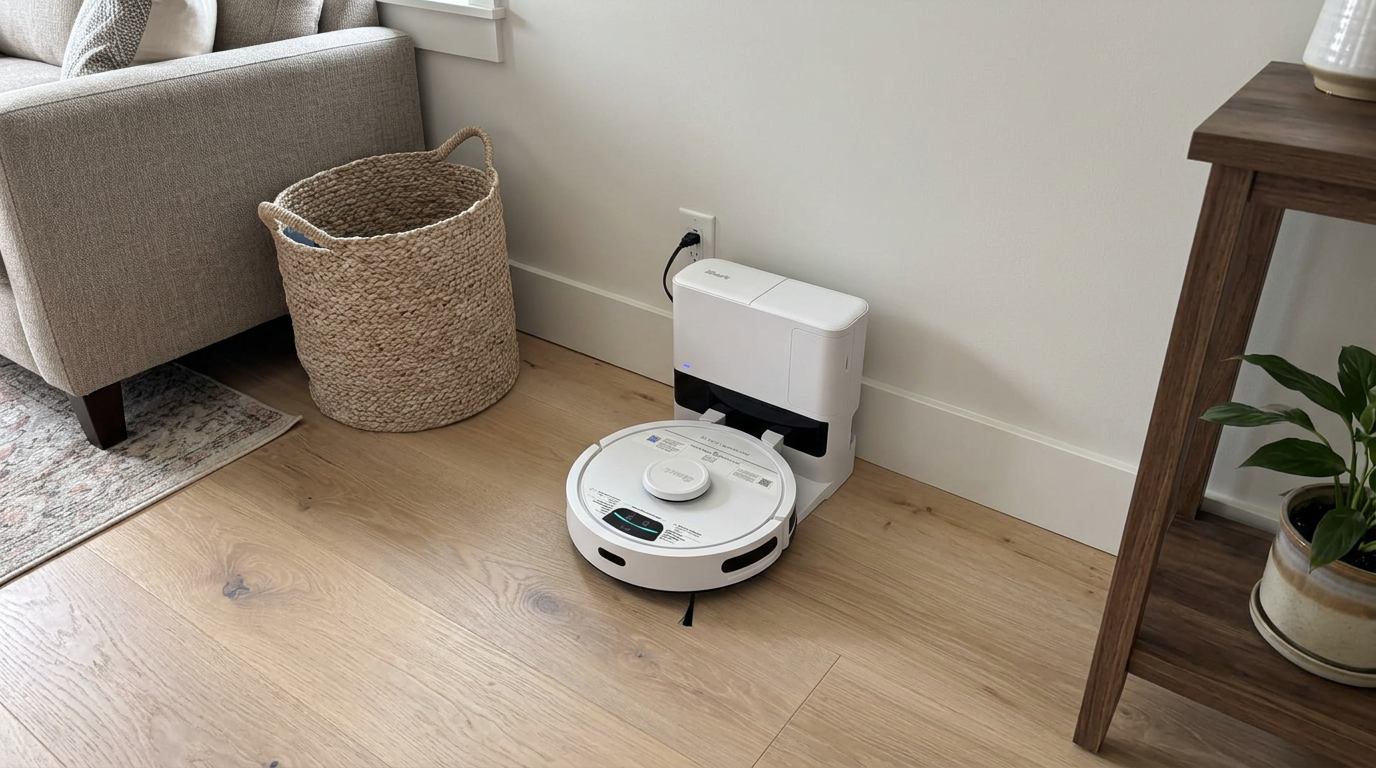
Budget two-in-one robots like the Shark Navigator RVA120E2 handle daily floors, leaving stairs and upholstery for a small manual vacuum. See the Shark Navigator RVA120E2 on Amazon →
Robot features that close the gap with a manual vacuum
If your goal is to replace as much manual vacuuming as possible, a few robot features matter more than others.
| Feature | Why it helps you vacuum less by hand |
|---|---|
| Reliable mapping and room selection | Lets the robot clean high-traffic rooms more often than others |
| Strong carpet performance | Reduces how often you need a deep carpet clean |
| Edge and corner reach (extending side brush or D-shape) | Fewer baseboard touch-ups |
| Low profile | Cleans under beds and couches where uprights struggle |
| Self-emptying dock | Keeps daily runs going without you |
| Anti-tangle brushes | Fewer stops for hair, so it keeps cleaning |
| Obstacle avoidance | Less pre-cleaning pickup before each run |
Height is easy to overlook. Roborock lists the Qrevo S robot at 3.80 inches tall. If your couch or bed has more clearance than your robot's height, the robot can clean under it every day, something most uprights can't do at all.
Corners are the hardest gap to close. Round robots physically cannot reach into a 90-degree corner, so they rely on side brushes and edge-cleaning tricks. That is one area where a quick stick-vacuum pass still helps in most homes.
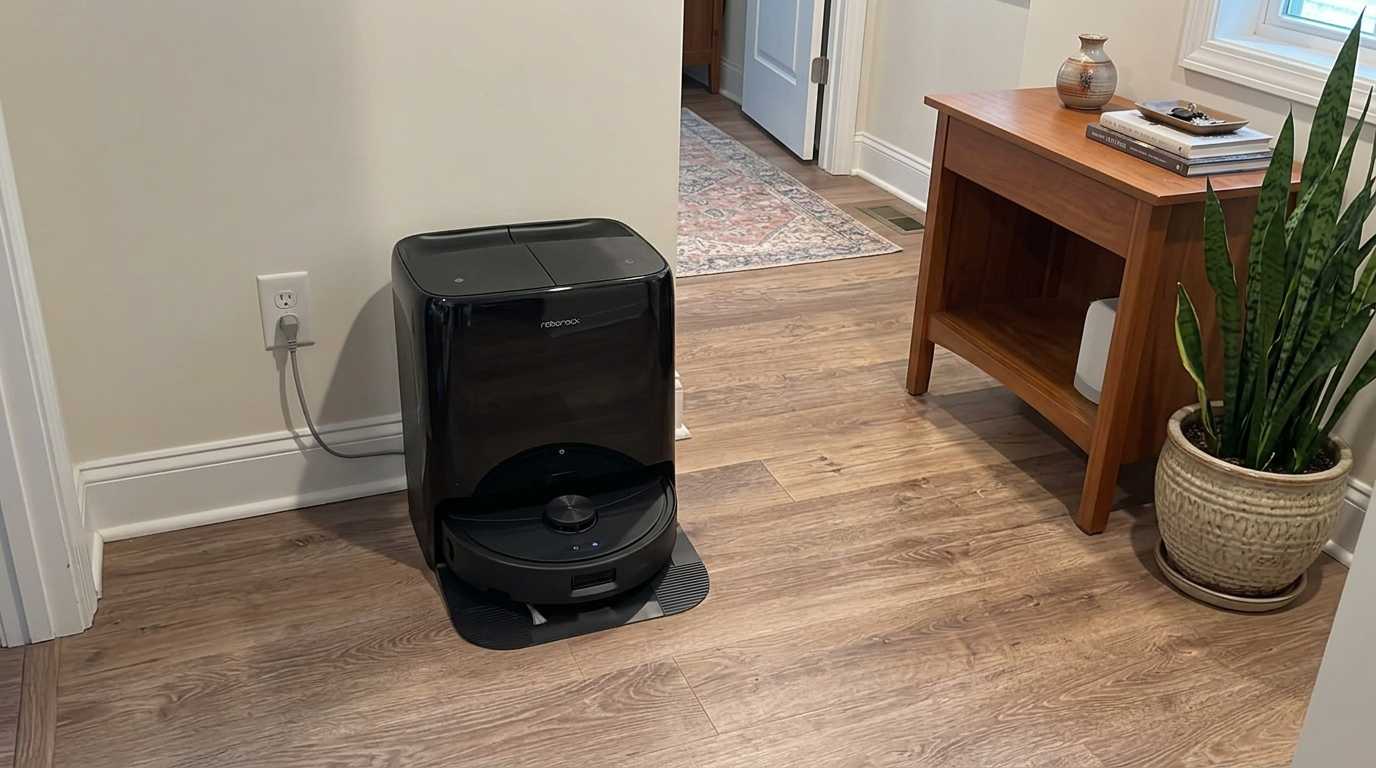
Robots with corner-focused side brushes, like the Qrevo 2 Pro, narrow the gap along baseboards and in corners. Read my Roborock Qrevo 2 Pro review →
How I set up a robot to replace as much manual vacuuming as possible
- Schedule daily runsDaily cleaning is the robot's superpower. Short, frequent runs prevent buildup that would otherwise need a manual deep clean.
- Give high-traffic rooms extra passesSet the kitchen, entry and family room for two passes or higher suction, and lighter settings elsewhere.
- Turn on carpet boostLet the robot raise suction on rugs automatically so carpets get more attention without slowing down hard floors.
- Clear the floor and use no-go zonesPick up cables and small items, and block off areas where the robot gets stuck. Every stuck run means more manual cleaning.
- Keep it maintainedEmpty the bin or let the dock do it, and clear hair from brushes every couple of weeks so pickup stays strong.
- Plan a weekly five-minute touch-upUse a stick or handheld on stairs, corners and upholstery once a week. That covers what the robot can't reach.
Frequently asked questions
Can a robot vacuum replace a regular vacuum?
Is a robot vacuum as powerful as an upright?
Do I still need a vacuum if I have a robot?
Can a robot vacuum clean stairs?
How often should a robot vacuum run to replace manual vacuuming?
What is the best backup vacuum to pair with a robot?

Sarah has tested vacuums, mops, air purifiers and dehumidifiers since 2017. Before joining BrasQ, she spent five years as a test coordinator at a national consumer advocacy group. She studied industrial design at Ohio State and lives in Columbus with her family and a long-haired cat.
- First published.
- U.S. Bureau of Labor Statistics: American Time Use Survey, household activities (2024)
- U.S. Bureau of Labor Statistics: American Time Use Survey 2024 results
- EN IEC/ASTM 62885-7: dry-cleaning robots, scope note on comparisons with manual vacuums
- Target: Roomba 105 listing (cleaning path width)
- Roborock Australia: Qrevo S product page (robot height)
- Carpet and Rug Institute: Seal of Approval vacuum testing
- Ristenbatt: effects of vacuum cleaner brushing action