Toyo Sasaki Thin Ice review: a paper-thin glass that's built to last
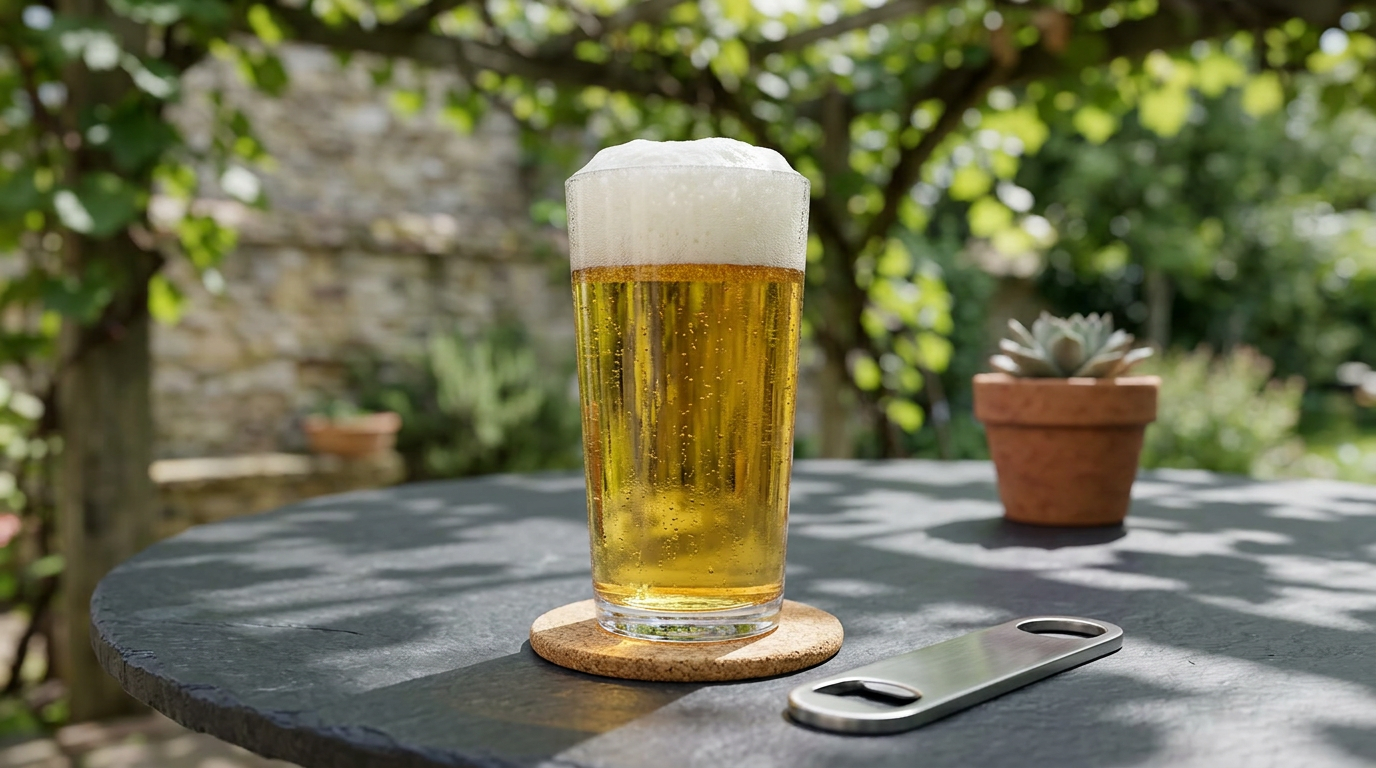
A small 5.1-ounce Japanese beer glass with a whisper-thin rim, made from ion-strengthened glass that holds up to commercial dishwashers. It makes a sip of beer or sake feel special, and the bulk case of 72 suits bars, restaurants and tasting events. It's pricey per case, and thin glass still isn't unbreakable.
In this review
I like the Toyo Sasaki Thin Ice Single Bite Beer Glass because it pairs a delicate, very thin rim with real-world toughness. The glass is ion-strengthened across its whole surface, it goes through home and commercial dishwashers, and the small 5.1-ounce size is ideal for tastings, sake and a perfectly poured short beer. A case of 72 is a big buy, so it makes most sense for bars, restaurants, caterers and serious hosts.
Toyo Sasaki Thin Ice at a glance
Toyo Sasaki Thin Ice pros and cons
- Very thin, cold-cut rim for a clean, delicate sip
- HS ion strengthening across the entire surface
- Safe for household and commercial dishwashers
- Light at about 70 grams
- Small 5.1 oz (150 ml) size is ideal for tastings and sake
- Made in Japan with a clear, high-grade finish
- Bulk case keeps the per-glass price reasonable
- A case of 72 is more than most homes need
- Thin rims can still chip, especially in crowded dishwashers
- Not microwave safe
- Small size isn't for people who want a full pint
Who should buy the Toyo Sasaki Thin Ice?
- Bars and breweries serving tasting flights
- Japanese restaurants and izakayas
- Sake and craft beer tastings
- Caterers and event venues that need matching glassware
- Hotels and lounges that want a premium feel
- Households that only need a handful of glasses
- Anyone who prefers heavy, chunky glassware
- People who drink beer by the pint
- Kitchens that pack dishwashers very tightly
First impressions of the Toyo Sasaki Thin Ice
Japan has a quiet obsession with thin glass, and for good reason.
A thin rim gets out of the way, so the drink reaches your mouth with nothing in between.
The Toyo Sasaki Thin Ice glass is a good example of that idea.
It's a small, slightly tapered tumbler that holds about 5.1 ounces, or 150 milliliters.
The first thing I notice is how delicate it looks.
The walls are so thin that the glass almost disappears when it's empty, which is where the "Thin Ice" name comes from.
In Japanese, the series is called Usurai, a word for a thin layer of ice on water.
The second thing I notice is that this delicacy doesn't come at the cost of everyday use.
Toyo Sasaki strengthens the whole glass, so it can go through a commercial dishwasher like any bar glass.
That combination is rare, and it's what makes this glass interesting for professional use.
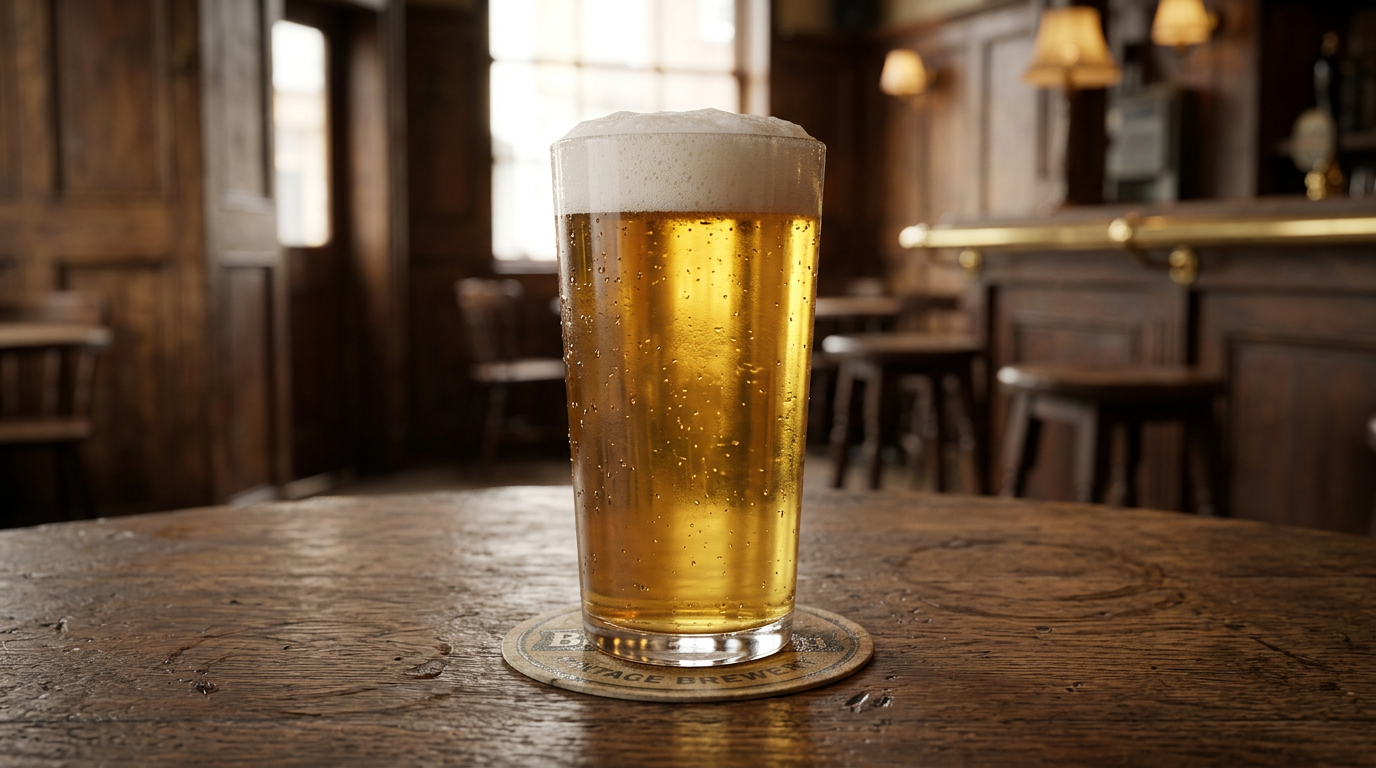
Walls so thin the glass almost disappears, hence the name Thin Ice.
What the Toyo Sasaki Thin Ice actually is
Toyo Sasaki Glass is one of Japan's largest glassware makers, supplying homes, restaurants and hotels.
The B-21105CS is a small beer glass from its Thin Ice line, sold in Japan as a "sip beer" glass.
The Amazon listing sells it in a case of 72, with smaller packs of 1, 3, 6 and 60 also available.
Each glass measures about 2.1 inches across and 3.6 inches tall, or 5.4 × 9.2 centimeters.
It weighs around 70 grams, which is light even for a small tumbler.
The material is soda-lime glass with what Toyo Sasaki calls a Fine Clear finish, which gives it a bright, almost crystal-like clarity.
It's made in Japan.
The size is the point.
At 150 milliliters, it's a few sips of beer, a generous pour of sake, or one glass in a tasting flight.
In Japan, small glasses like this are common for sharing a large bottle of beer around the table, topping each other up as you go.
The strengthening: what HS glass means
The Thin Ice glass uses Toyo Sasaki's HS treatment, short for Hard Strong.
It's an ion-strengthening process applied across the entire surface of the glass.
In simple terms, the surface is chemically treated so it's under compression.
That makes it more resistant to the small knocks and scratches that usually start a crack.
The result is a glass that can stay very thin while still surviving the dishwasher and normal bar use.
The Amazon listing calls it shatter-resistant.
I'd read that as "much tougher than you'd expect," not "unbreakable."
Any glass can break if you drop it on tile or knock it against a tap.
Owners do report surprising survivals, like a glass dropped on a wooden floor without damage.
But a thin rim is still the most vulnerable part, so a little care goes a long way.
Design: the rim, the shape and the feel
The rim is the star of this glass.
It's cold-cut, which means it's cut and polished smooth rather than rolled into a thick bead.
There's no ring around the edge, so the lip feels clean and sharp in the best sense.
The shape is a simple, slightly flared tumbler that sits well in the hand.
Owners describe the grip as nice and natural, even with wet fingers.
Because the glass is so light, it's comfortable for long tasting sessions.
The clean, minimal look also suits a wide range of settings, from a modern cocktail bar to a traditional Japanese restaurant.
One owner mentions first using this glass at a luxury hotel in Kyoto, which says something about the level it's aimed at.
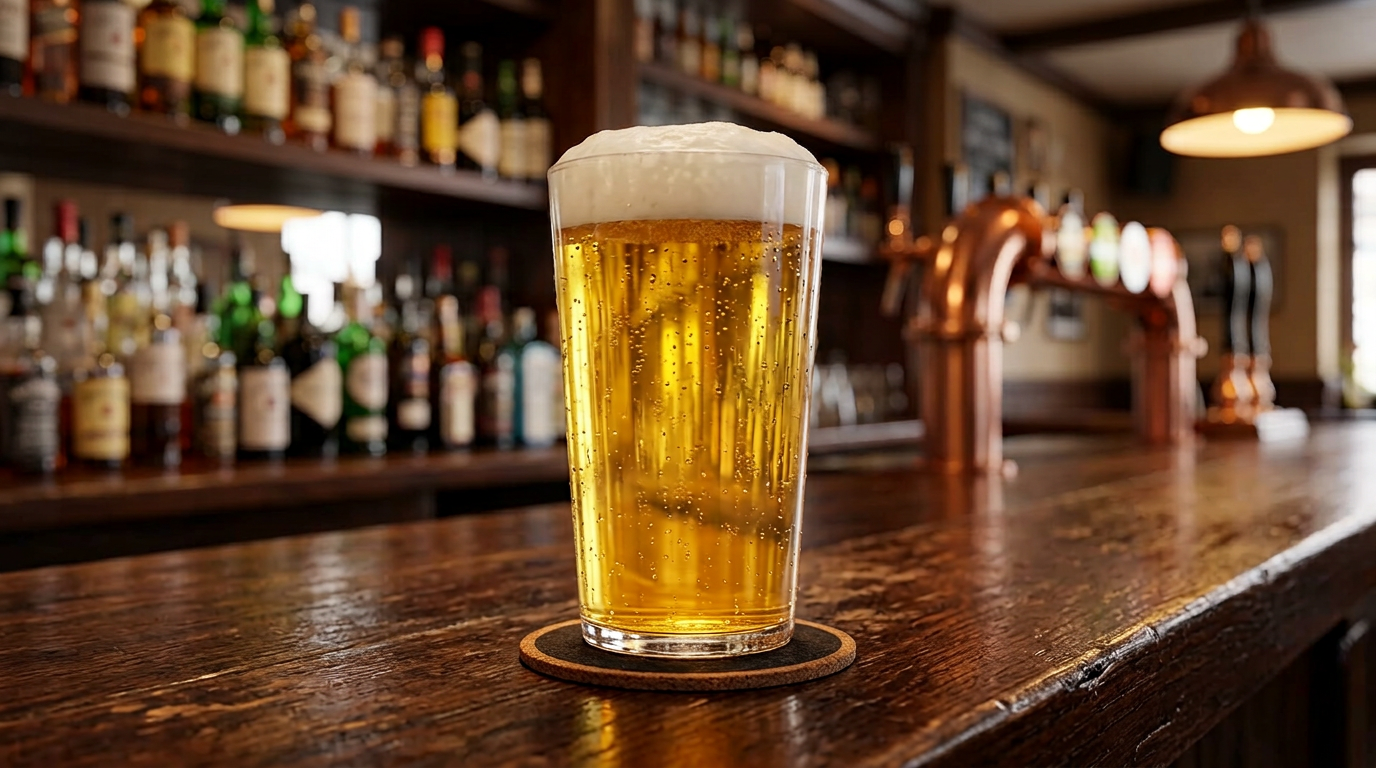
A cold-cut rim with no bead, and a bright, clear finish.
Using it: beer, sake and tastings
Small glasses change how you drink.
Here's where the Thin Ice glass shines.
Beer
A small glass keeps beer cold and fresh, because you finish it before it warms up or goes flat.
It also makes pouring part of the ritual.
One Japanese owner describes pouring from a height, letting the foam settle into a fine head and then topping up to the rim.
The thin rim lets you taste that foam and the beer together, which is exactly what this style of glass is for.
Sake
The 150-milliliter size is a natural fit for chilled sake.
A thin glass shows off the clarity of the sake and keeps the focus on aroma and flavor.
Tasting flights
For breweries and bars, small matching glasses are ideal for flights.
Four or five Thin Ice glasses on a paddle look clean and professional, and the clear glass shows off the color of each pour.
Everything else
It also works for juice, water, a short cocktail served neat or a small dessert.
Just keep it out of the microwave.
Why small beer glasses make sense
Outside Japan, a 5-ounce beer glass can look almost too small.
But there are good reasons why bars and brewers love small glasses.
Colder, fresher beer
A pint slowly warms up in your hand, and the carbonation fades as you drink.
A small glass is finished while the beer is still cold and lively, then topped up with a fresh pour.
Better foam
Japanese pouring style puts a lot of weight on a dense, creamy head.
The head protects the beer from oxidation and carries aroma, and it's easier to get right in a small glass.
Sharing and pacing
In Japan, a large bottle is often shared, with everyone filling each other's small glasses.
It's a social way to drink, and it naturally slows the pace.
Tasting more styles
For craft beer fans, small glasses mean you can try several styles without drinking several pints.
That's why tasting flights almost always use glasses in this size range.
Less waste
For venues, smaller pours mean less beer left warming in half-finished glasses.
And for hosts, they make expensive bottles go further.
Buying for a venue
If you run a bar or restaurant, plan for about two to three glasses per seat for a busy service.
That leaves enough in rotation while one batch runs through the dishwasher.
A case of 72 covers a small bar or tasting room, with a few spares for the occasional breakage.
Keep the case boxes, since they're the safest way to store spare glasses between events.
Cleaning, washing and storage
Toyo Sasaki says the glass is safe for household and commercial dishwashers, and for household dishwasher-dryers.
That's the main reason it works in a busy bar.
To keep the thin rims in good shape, a few habits help.
Load the glasses so they don't touch each other or other dishes.
Use a glass rack in commercial machines rather than loose loading.
One owner reports a couple of glasses chipping at the lip after a dishwasher cycle, which is usually from glasses knocking together.
For the clearest finish, use a rinse aid, especially with hard water.
For beer, avoid fabric softener on towels and greasy residue, both of which kill the foam.
"Beer-clean" glass is simply glass with no film left on it.
Store the glasses upright on a clean shelf or in their case, and don't stack them inside each other.
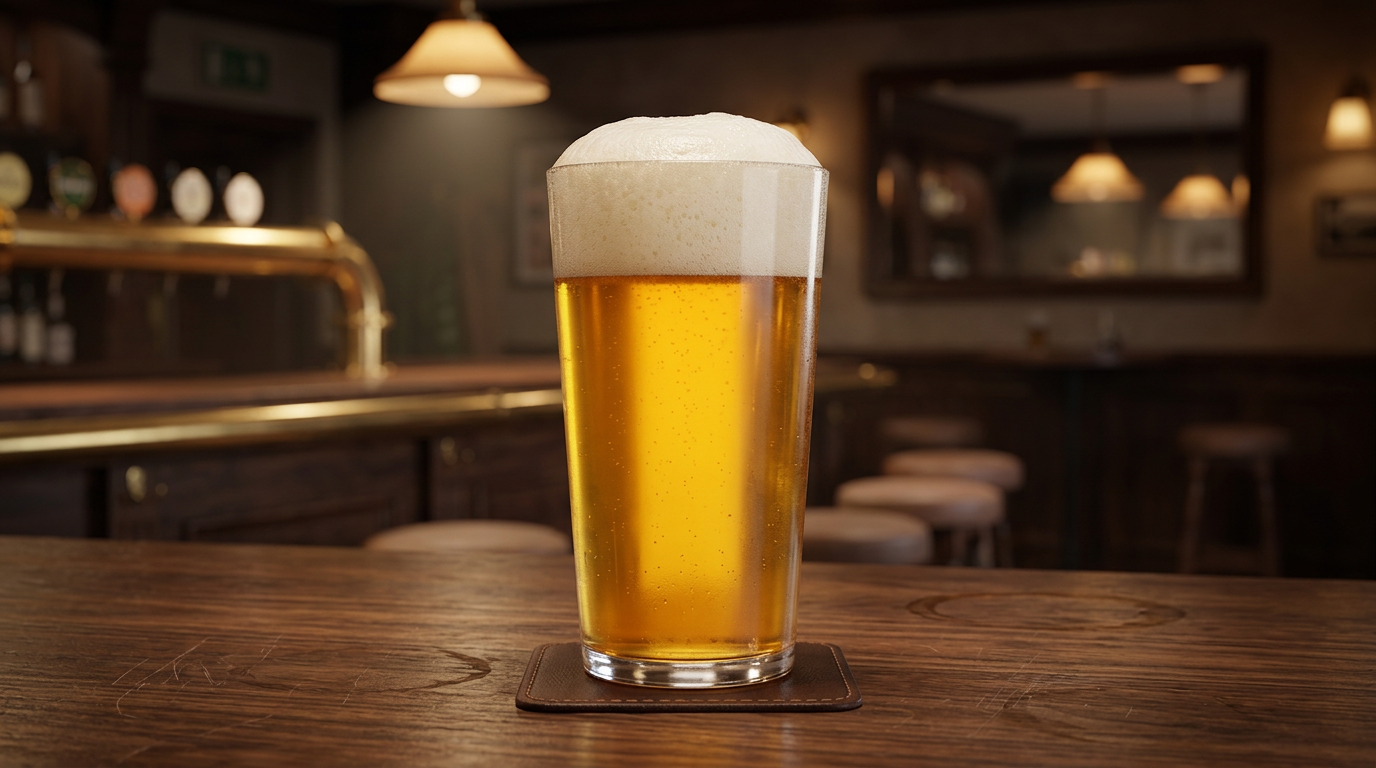
Dishwasher safe, but give the thin rims some space in the rack.
How to pour the perfect beer into a small glass
A great glass deserves a good pour.
This simple three-step method works well with the Thin Ice.
1. Start with a clean, cold glass
Rinse the glass with cold water just before pouring.
A wet, cool glass helps the beer flow smoothly and keeps the bubbles fine.
2. Pour hard, then wait
Pour straight down into the center from a few inches up, until the glass is about two-thirds foam.
Then wait a minute while the foam settles and becomes dense and creamy.
3. Top up gently
Finish with a slow, gentle pour until the foam rises just above the rim.
You should end up with roughly seven parts beer to three parts foam.
The thin rim lets you taste the creamy head and the cold beer underneath in the same sip.
For sake, skip the foam, of course: chill the bottle, pour gently and enjoy it straight away.
What owners say about the Toyo Sasaki Thin Ice
The Amazon listing, which covers several Thin Ice sizes, has a 4.4 out of 5 rating from more than 2,200 ratings.
Reviews come from the US and Japan, which gives a useful mix of perspectives.
What owners like
The thinness is the most common praise, often with surprise at how light the glass feels.
Owners also mention durability, saying the glasses resist breaking far better than they expected.
The size and grip get good marks, and several reviewers call it their favorite glass for beer.
What owners complain about
The main complaint is the occasional chip at the rim after dishwasher use.
A few buyers also had issues with packaging, such as receiving a different box configuration than described.
If you're ordering a full case for a venue, count the glasses and check the packaging when it arrives.
Is the Toyo Sasaki Thin Ice worth the money?
A case of 72 costs about $309 on Amazon, which works out to around $4.30 per glass.
That's more than basic restaurant tumblers, but less than many premium thin glasses that are mouth-blown and far more fragile.
For a bar or restaurant, the math is mostly about breakage.
A glass that survives the dishwasher and daily handling costs less over time than a cheaper one that breaks every week.
For home use, 72 glasses is too many for most people.
The good news is that the same listing offers smaller packs, so you can buy a set of six for the house.
If you host tastings or sake nights, or want a few special glasses for your favorite beer, that's the sensible route.
Prices move, so check the current price on Amazon before you buy.
Toyo Sasaki Thin Ice specifications
From Toyo Sasaki Glass, retailer listings and the Amazon listing.
Thin Ice vs mouth-blown thin glass vs standard taster glass
Here's how the Thin Ice compares with the two main alternatives for small beer and sake glasses.
| Toyo Sasaki Thin Ice | Mouth-blown thin glass | Standard taster glass | |
|---|---|---|---|
| Rim | Very thin, cold-cut | Ultra thin | Thicker, rolled |
| Strengthened | Yes, HS | Usually no | Sometimes tempered |
| Dishwasher | Home and commercial | Hand wash advised | Yes |
| Feel | Delicate, premium | Most delicate | Sturdy, basic |
| Best for | Bars that want both | Home connoisseurs | High-volume taprooms |
Best Toyo Sasaki Thin Ice alternatives
If the Thin Ice isn't quite right, there are other directions.
For more volume, the same Thin Ice line comes in larger sizes on the same listing, including about 10.7 and 14.2-ounce versions.
For the thinnest possible glass at home, mouth-blown Japanese glasses such as the Usuhari style are even more delicate.
They're best washed by hand, though, so they suit a home bar more than a busy venue.
Toyo Sasaki's own Hard Strong stacking glasses are a sturdier, everyday choice for water and juice.
For high-volume taprooms on a budget, basic taster glasses from restaurant suppliers are the cheapest option.
And if you're serving at home, a matching tea or tableware set can tie the table together, like the one in our fanquare tea set review.
How I scored the Toyo Sasaki Thin Ice
I based this review on Toyo Sasaki's published specifications, retailer listings, more than 2,200 owner ratings and reviews from the US and Japan, and a comparison with rival glassware.
I scored four things, and each one gets its own subscore.
- Drinking experience (9.0): rim, weight, clarity and how it suits beer and sake.
- Durability (8.2): strengthening, dishwasher use and reported chips or breaks.
- Practicality (8.4): size, cleaning, storage and use in a venue.
- Value (7.8): case price, per-glass cost and pack options.
The overall score of 8.4 is an editorial rating. BrasQ editor-in-chief Ryan Mitchell reviewed the facts and figures before publication.
Toyo Sasaki Thin Ice FAQ
Is the Toyo Sasaki Thin Ice glass worth it?
Yes, especially for bars, restaurants and tastings. It scored 8.4 out of 10 in our review for its thin rim, strengthened glass and dishwasher safety. For home use, buy a smaller pack instead of the case of 72.
How big is the glass?
It holds about 5.1 fl oz (150 ml) and measures about 2.1 × 3.6 inches.
Is it really shatter-resistant?
It's ion-strengthened across the whole surface, so it's much tougher than ordinary thin glass. It isn't unbreakable, and the thin rim can still chip if knocked.
Is it dishwasher safe?
Yes. Toyo Sasaki says it's safe in household and commercial dishwashers. Load glasses so they don't touch.
Can it go in the microwave?
No. It isn't microwave safe.
What is it best for?
Short pours of beer, chilled sake, tasting flights and small servings of juice or water.
Where is it made?
In Japan, by Toyo Sasaki Glass.
Can I buy fewer than 72?
Yes. The listing also offers packs of 1, 3, 6 and 60.
- Amazon product listing for the Toyo Sasaki B-21105CS (ASIN B07967LK9J), October 2026
- Toyo Sasaki Thin Ice 150 ml wholesale specifications
- Umami Mart: Toyo Sasaki Hard Strong glassware
- Owner reviews on Amazon (US and Japan), October 2026
- Review published.